Loading stories...
See what exists
Programs, communities, the evidence and the money
Stories
The experience, and the stories underneath it
The Lab
Going and finding what is hard to find
About & support
Move money from cages to community
- Sign in
JusticeHub · Editorial
Stories from
the Movement
Real stories, evidence, and updates from communities transforming youth justice across Australia. Told with consent, attached to place.
47
Stories
4
Seeds
25
Growth
6
Harvest
4
Roots
8
Voices
20
Places
Field stories · Immersive
Data investigation
The Pattern That Changed Everything
24 community-controlled programs proving what Indigenous communities have always known.
Read the story
Field story
Four O'Clock
We spent months trying to get one patch of public ground in Adelaide. It came down to a person at a counter saying it was four o'clock and they were going home. That is the story, and it is also the argument.
Read the story
LatestVoices · Community
We know how to build places to hold people.
We know how to build places to hold people. Have we given the same thought to building communities that can hold them? We talk about community safety as though it begins with policing and ends with pu…
Benjamin Knight
Voices · Community
Queensland is losing the people it most needs to hear
This week, the Youth Advocacy Centre said it lost $3 million in Queensland Government funding for its bail support work. That's nineteen frontline jobs and around 350 young people a year who may lose …
Benjamin Knight
Voices · Community
The Fire and the Road
On Country with Jeremy Donovan, and the path our young people are already showing us.
Jeremy Donovan
Roots
The Cure Already Exists
We spend $1.3 million a year per child to lock them in a room with no window. The recidivism rate is 85 percent. But in communities across Australia, the alternatives are already working. This is what they look like.
Benjamin Knight15 minAlice Springs
Growth
Eating the Paperwork: How AI Creates a Renaissance of Community Engagement
Every small organisation in Australia has been drowning in compliance, reporting, and grant acquittals. What AI now makes possible is the compression of that administrative layer, freeing 50% of capacity back to the relational work that actually changes lives. JusticeHub is the living proof point.
Benjamin Knight11 minQueensland
Voices · Community
Beyond Shadows: Plato's Cave and the Reimagining of Youth Justice in Australia
Last week, I stood at the entrance of what scholars believe could have been the inspiration for Plato's famous allegory—a cave nestled in the ancient hills outside Athens. As sunlight filtered through craggy stone, casting dancing patterns at my feet, I felt the weight of 2,400 years of human wisdom pressing upon me.
Benjamin Knight
Voices · Community
A Comparative Analysis of Youth Justice Systems in Spain and Australia
This comparative analysis delves into the distinct approaches taken by Spain and Australia in addressing youth crime, examining their models, practices, and underlying principles.
Benjamin Knight
Voices · Community
Queensland Government Spending on Youth Justice and Community Safety
The Queensland government is increasing spending on youth detention despite evidence that it is ineffective and expensive, while also investing in community safety and youth programs to address the root causes of youth crime.
Benjamin Knight
Growth
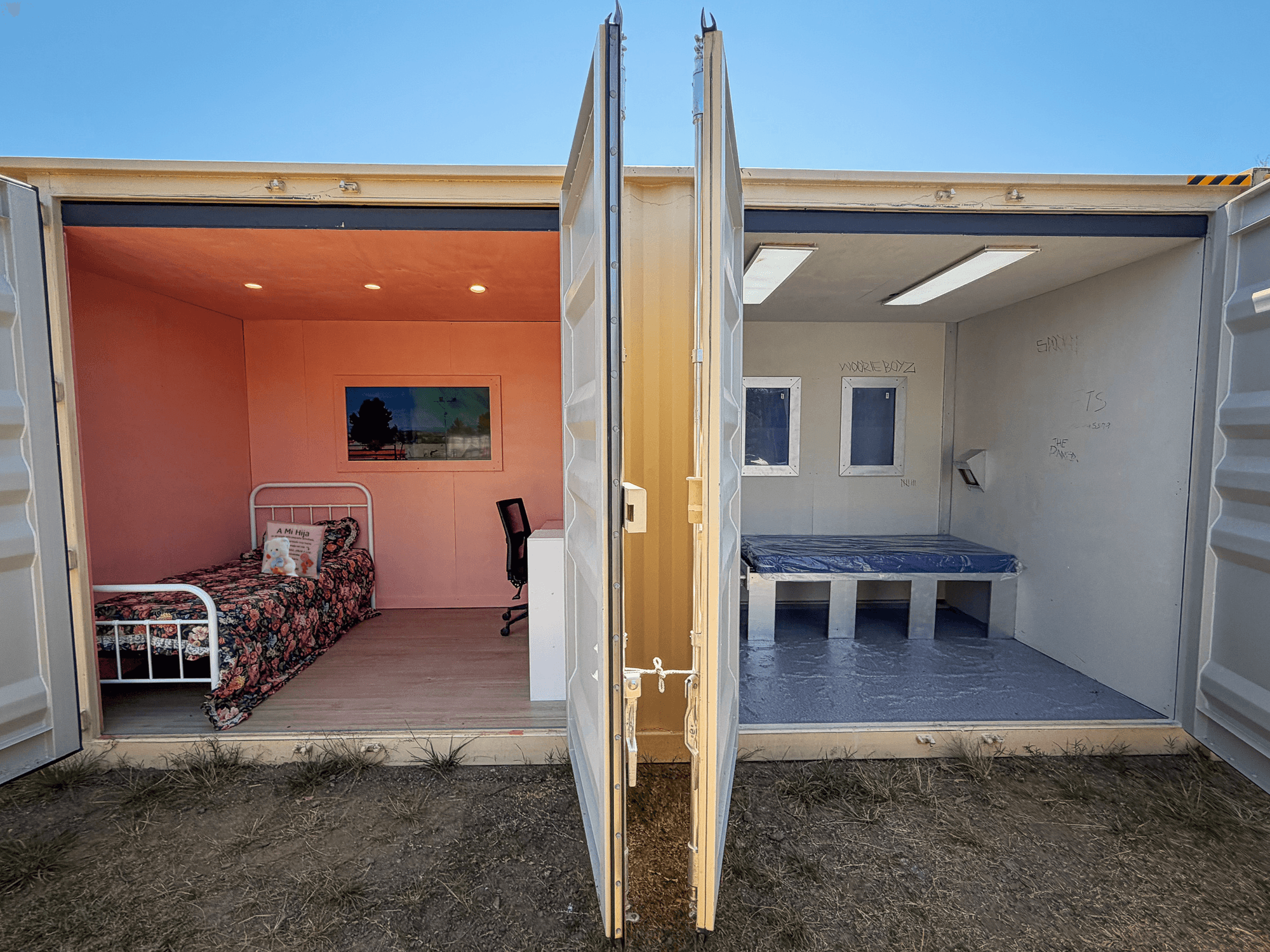
Building Revolution in Shipping Containers: The Story of CONTAINED
CONTAINED is not another awareness campaign with sad statistics on posters. It's an immersive experience built from shipping containers - transformation chambers that make the invisible visible and the abstract tangible.
Benjamin Knight3 min

Seeds
Walking Toward Justice: A Personal Journey
I didn’t set out to build a platform like JusticeHub. I set out to listen.
Benjamin Knight5 min
Voices · Community
CONTAINED: Where Policy Meets Flesh
Share this if you're done watching children being destroyed for profit while we pretend it's justice.
Benjamin Knight
Voices · Community
From Bolivia to Brisbane: How CONTAINED Became Inevitable
A prison in Bolivia you could pay a few bolivianos to walk into. Families living inside, children playing in the courtyards, inmates running the restaurants and shops. Where the thinking behind CONTAINED started.
Benjamin Knight
Growth
Breaking Bread, Breaking Chains: When Two Worlds Collide
Yesterday at ReKindle, we witnessed a profound illustration of Australia's youth justice paradox. Two tables existed simultaneously – one physical, one virtual – each telling a different story about power, privilege, and possibility in our society.
Benjamin Knight2 minAustralia
Harvest
ReSOLEution at Bimberi Youth Justice Centre
ReSOLEution turns young people in detention from sneaker consumers into sneaker creators. After noticing how shoes were a source of pride and identity for youth at Bimberi, we're launching a program where they'll design and customise their own sneakers.
Benjamin Knight6 minCanberra
Growth
Beyond Cases and Problems: Relationship-Based Justice in Central Australia
Reflections on bridging legal systems and cultural knowledge to create meaningful pathways for young people caught between worlds in Mparntwe.
Benjamin Knight1 minMparntwe
Seeds
Spotlight on Changemaker: Brodie Germaine
Brodie Germaine, founder of BG Fit, is transforming youth empowerment in Queensland through projects like the CAMPFIRE Project and BAIL (Be an Indigenous Leader). By blending fitness, cultural connection, and mentorship, Brodie is creating pathways for Indigenous youth to reconnect with their heritage, build resilience, and find a positive future. His vision extends to a wellness hub that supports the physical, mental, and cultural well-being of his community.
Benjamin Knight4 minQueensland
Growth
Confit Pathways
Confit's programs are unique in utilising mentors with lived prison experience, creating a powerful and relatable support system for the young people it serves.
Benjamin Knight1 minAustralia
Growth
From Shadows to Spotlight: Joe Kwon's Redemption and the Rise of ConFit
Dive into the inspiring journey of Joe Kwon, a former gang member who turned his life around to establish ConFit. This blog details how ConFit, through fitness and education, offers a new path for ex-inmates, reshaping their futures and challenging societal stereotypes. From the depths of despair in prison to creating a beacon of hope, Joe's story is a powerful testament to resilience, redemption, and the impact of community support in forging new beginnings. Discover ConFit's innovative approach in bridging societal gaps and empowering individuals for a brighter future.
Benjamin Knight2 minAustralia
Growth
Beyond Systems: A Day with Jackqwann in the Heart of Australia
In Alice Springs' shimmering heat, I sat beside a young man named Jackqwann whose rap lyrics cut straight to the heart of what it means to stand at the crossroads of identity and belonging:
Benjamin Knight1 minAlice Springs
Growth
Hamilton's Odyssey: Igniting Transformation Through ConFit Pathways
Once a figure shadowed by missteps, Hamilton has emerged from the crucible of life's trials with a resolve steeled by adversity.
Benjamin Knight1 minAustralia
Growth
Inquiry into the Making Queensland Safer Bill 2024 - Submission
This submission addresses the urgent need for a transformative approach to youth justice in Queensland.
Benjamin Knight7 minQueensland
Growth
Diagrama - Youth Justice Spain
A trip to Spain to immerse in the Diagrama model's practices, engage with stakeholders, and evaluate the potential for adapting its successful elements to the Australian context. This initiative reflects a broader commitment to reforming youth justice to prioritise compassionate rehabilitation, with plans to share insights and explore pilot programs upon return.
Benjamin Knight1 minSpain
Growth
Community at the Core: Empowering Local Solutions in Youth Justice
We highlight the power of Indigenous-led solutions, which emphasize cultural connection, storytelling, and kinship support, offering a pathway to healing and long-term positive outcomes. As governments continue to rely on incarceration, we argue that the future of youth justice lies in empowering communities and scaling up local, culturally grounded solutions that address the root causes of crime and create sustainable change.
Benjamin Knight2 minAustralia
Growth
Walking New Paths: Reflections from Bimberi
Through patient observation and deep listening at Bimberi Youth Justice Centre, young people's connection to sneaker culture sparked a journey of creative possibility, where their designs now carry stories of hope beyond institutional walls - reminding us that transformation begins when we honor young people's vision for their own futures.
Benjamin Knight1 minBimberi Youth Justice Centre
Growth
The Nature of Power: How Control Shapes Youth Justice
In this first of three blogs, we’ll explore the nature of power within Australia’s youth justice system. We’ll investigate why governments and large organizations prioritize punishment, how political incentives shape the system, and why voters often support these approaches despite evidence showing that rehabilitation is more effective. This discussion sets the stage for the next two blogs, which will dig deeper into community-based solutions and storytelling as a means of reshaping justice.
Benjamin Knight2 minAustralia
Harvest
ReSOLEution
ReSOLEution empowers young people to design their own path forward through creative shoe design. Our program fosters creativity, responsibility, and personal growth, providing a unique platform for self-expression and skill development.
Benjamin Knight3 minAustralia
Harvest
Kickin It with DeadlyLabs: Igniting STEM Passions in Youth Detention
Embark on a transformative journey with 'Kickin It,' where the realms of STEM and sports science converge to redefine the futures of young people in detention.
Benjamin Knight5 minAustralia
Roots
Richard Cassidy - Our Story
Richard Cassidy shares Indigenous wisdom through storytelling, navigating traditional and Western knowledge systems while empowering future generations to connect with country and culture.
Benjamin Knight5 minAustralia
Growth
The Paradox of Youth Justice and Entropy: Navigating the Chaos Towards Hope
Navigating the Complexities of Youth Justice Through the Lens of Entropy: This blog post delves into the inherent disorder within the youth justice system in Australia, drawing parallels with the concept of entropy to advocate for a paradigm shift. Moving beyond traditional punitive measures, it calls for innovative strategies that prioritize support, rehabilitation, and empowerment for young individuals, aiming to transform disorder into opportunities for growth and positive change.
Benjamin Knight2 minAustralia
Growth
Diagrama Foundation's Impact on Spain's Youth Detention System
The Diagrama Foundation is a non-profit organisation that has transformed Spain’s youth detention system through its rehabilitation-first approach. Since 1991, it has focused on education, vocational training, and social reintegration, reducing recidivism and improving outcomes for young offenders.
Benjamin Knight2 minSpain
Growth
From Punishment to Potential: Lessons from Spain's Innovative Youth Justice Model - Day 1 with Diagrama
A youth justice change advocate's eye-opening visit to Spain's Diagrama youth detention centers reveals a transformative approach to juvenile rehabilitation that prioritizes positive relationships, personalised support, and hope for a better future, inspiring them to champion a similar model that empowers young offenders and reduces recidivism through education, community reintegration, and a fundamental shift from punishment to potential.
Benjamin Knight2 minSpain
Harvest
The Diagrama Model: A Transformative Approach to Youth Justice
The Diagrama Model transforms youth justice by shifting from punishment to rehabilitation. It operates education-driven, therapy-supported re-education centers where young offenders receive individualized care, vocational training, and strong mentorship to break cycles of reoffending.
Benjamin Knight3 minSpain
Growth
Navigating Two Worlds: Cultural Authority and Youth Empowerment in Mparntwe
Reflections on creating culturally-led pathways for young people to connect with identity and purpose while navigating contemporary challenges in Central Australia.
Benjamin Knight2 minMparntwe
Growth
Connecting Communities: A Network for Justice Reinvestment
We're building a nationwide network to connect and amplify the efforts of 26 communities across Australia that are leading justice reinvestment initiatives. Our goal is to create a platform for sharing knowledge, stories, and solutions in youth justice reform.
Benjamin Knight1 minAustralia
Growth
The Road to Hell: When Youth Justice Efforts Backfire
The road to hell is paved with good intentions, as the saying goes. This rings particularly true when it comes to youth justice policies and interventions aimed at curbing juvenile crime.
Benjamin Knight2 minAustralia
Growth
Creating Spaces for Growth: The Physical and Emotional Environment of Transformation
"The environment is not separate from our therapeutic approach – it is integral to it," explains Teresa, a facility director. "What does a concrete cell with steel furniture communicate? That the young person is dangerous, untrustworthy, unworthy of beauty or comfort. We choose to communicate something different."
Benjamin Knight7 minSpain
Growth
From Control to Care: Reimagining Staff Roles in Youth Justice
In my third reflection from Spain's Diagrama centres, I witness a profound reimagining of what it means to work with troubled youth.
Benjamin Knight6 minSpain
Growth
Beyond Walls: What Spanish Youth Detention Centers Taught Me About Seeing Humanity First
"We're not just enforcing a sentence to pass the months until they leave. We're here to work with them, to transmit values, to show them there's a different way."
Benjamin Knight4 minSpain
Growth
The Courage to Connect: How Authentic Relationships Transform Youth in Detention
This scene, repeated countless times across Diagrama's centres, illuminates what might be the most revolutionary aspect of their approach: the primacy of relationship in the work of transformation.
Benjamin Knight5 minSpain
Roots
From Trouble to Transformation: The CAMPFIRE Journey
Stories from the frontlines of Indigenous youth empowerment in Queensland's Lower Gulf
Benjamin Knight12 minMount Isa
Seeds
Where Fire Meets Country: A Journey Through Mount Isa's NAIDOC week
Brodie Germaine knows these streets intimately. Born on Kalkadoon Country, raised in the housing commission at 77 George Street - "Jack's" as the locals call it - his early years traced familiar patterns of disconnection. The stolen cars, the break-ins, that particular house with soft drinks and ice blocks in the back fridge that became a regular target. These aren't stories of shame but waypoints on a journey that would eventually lead to something profound.
Benjamin Knight8 minMount Isa
Harvest
From Disconnected Youth to Future Tourism Entrepreneur
MS transformed from a disconnected young person with offending history to someone developing their own cultural tourism venture through family connections and on-country experiences.
Benjamin Knight1 minAlice Springs
Harvest
From Homelessness to Independent Living
After losing her father, M was living in unstable accommodation. Through Oonchiumpa's support, M and her mother secured independent housing and income.
Benjamin Knight1 minAlice Springs
Growth
From Guarded and Disengaged to Articulate Self-Advocate
A was left destitute after her mother's passing. Through Oonchiumpa she became forthcoming with her needs and actively seeks support.
Benjamin Knight1 minAlice Springs
Growth
Understanding Cultural Responsibility and Leadership
CB developed understanding of his cultural responsibilities as a man and his role as a leader in his community.
Benjamin Knight1 minAlice Springs
Seeds
Cultural Cooking Exchange with Miss Dan
Young people learned about Chinese culture while making dumplings and sharing stories about different cultural traditions.
Benjamin Knight1 minAlice Springs
Roots
Atnarpa Homestead Cultural Exchange — Girls Trip
Young Luritja girls participated in an on-country program with traditional owners of Atnarpa, gaining insight into cultural tourism and land management.
Benjamin Knight1 minAtnarpa Homestead