Outcomes · outcome type
Reduced recidivism
95 programs say this is what they are for. 95 of them record how it would be measured. Naming an intention is not evidence that it was met.
Queensland Department of Youth Justice
Intensive support for high-risk young offenders after release from detention, supporting both young people and families to reduce reoffending
Reduced reoffending among high-risk young offenders
Says it measures this by Pre/post reoffending rates tracked through youth justice system records over 12-24 months post-release
For Young people (10-17)Young adults (18-25)
Aboriginal Legal Rights Movement
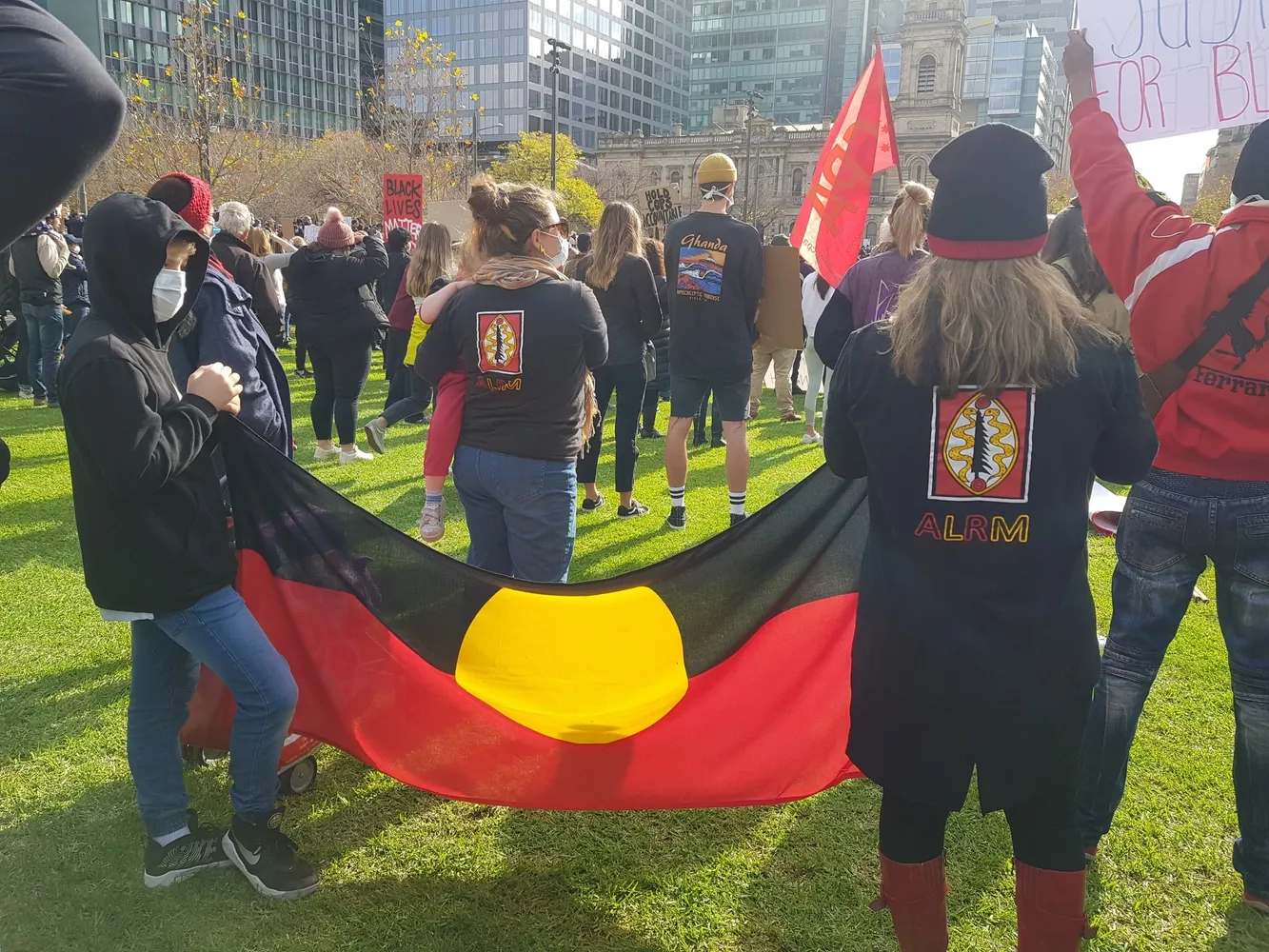 # Justice Without Prejudice To pursue social justice, equality, and wellbeing for the Aboriginal people of South Australia, especially for those Aboriginal people who are detained in police custody or imprisoned. [LEARN MORE](https://www.alrm.org.au/our-vision-and-values)  ### ALRM Membership [Learn More](https://www.alrm.org.au/membership/)  are tailored programs for youths with the aim of addressing the youth's behaviour and reducing their chances of reoffending. ADPs are available in circumstances where a youth's offence has been referred to restorative justice, and a restorative justice conference (RJC) cannot be held.
Reduction in youth reoffending rates
Says it measures this by Pre/post offending data from NSW justice system records compared between program participants and control groups
Queensland Department of Youth Justice
Tailored programs when restorative justice conferences cannot be held, designed to address individual offending behaviors and repair harm
Reduction in individual offending behaviors
Says it measures this by Pre/post assessments of offending behaviors documented in case files
For Young people (10-17)Young adults (18-25)
The Corporation Of The Synod Of The Diocese Of Brisbane
Youth Justice Support program in Queensland. Bail Support Program, Intensive Family Partnership, Community Co-responder
Reduced youth reoffending rates
Says it measures this by Pre/post recidivism data from justice system records over 12 months
Reduction in youth reoffending rates
Says it measures this by Pre/post offending data from NSW justice system records compared between program participants and control groups
Reduced re‑offending rates
Says it measures this by Proportion of bail‑supported youths who re‑offend within 12 months compared with a control group.
For 10-17
ASPIRE Townsville
QLDAitkenvale
UnitingCare Community
Youth Support program in Queensland. Youth engagement, Support services, Community connection
Reduced recidivism through engagement
Says it measures this by Re‑offending rates of ASPIRE participants compared with regional youth averages.
Back on Track Program
NTStatewide60 communities
Community-based alternative sentencing and diversion program. 19 providers across 60 NT communities. Diverted 591 youth in 2023 with 60% non-reoffending rate. Recently scaled back in October 2024 budget cuts.
Youth non-reoffending rate
Says it measures this by Non-reoffending rate of 60% measured through justice system records over 12-month period post-diversion
For 10-17 yearsCourt-referred youthCommunity-based sentencing
Balga Justice Reinvestment
BalgaPerthWA
Ebenezer Aboriginal Corporation
Justice reinvestment initiative in Balga, Perth, Western Australia, led by Ebenezer Aboriginal Corporation, funded under the Commonwealth National Justice Reinvestment Program (NJRP). Confirmed on the Attorney-General's Department list of funded justice reinvestment initiatives.
Lower recidivism for Balga participants
Says it measures this by Re‑offending proportion within 12 months for individuals engaged with the Ebenezer Aboriginal Corporation program.
Reduced Recidivism Rate
Says it measures this by Comparison of recidivism rates before and after the initiative.
Reduced recidivism for Balga participants
Says it measures this by Comparison of 12‑month re‑offending rates between program participants and a matched non‑participant cohort, sourced from WA justice data.
Reduced recidivism in Balga
Says it measures this by Comparison of re‑offence rates for participants before and after program participation.
Reduced recidivism in Balga
Says it measures this by Year‑on‑year change in re‑offending percentages for Balga residents enrolled in the program.
Reduced recidivism in Balga
Says it measures this by Re‑offending rates for Balga residents participating in the initiative compared with regional averages.
Reduced recidivism
Says it measures this by Rate of repeat offending among Balga participants over a 12‑month period compared with pre‑program levels.
Reduced recidivism in Balga
Says it measures this by Change in the proportion of Balga residents who re‑offend within 12 months of first contact with the program.
For
Blue Lures
QLD
Blue Lures
Youth Engagement program in Queensland. Recreational activities, Youth engagement, Diversion programs
Reduced involvement in offending behaviour
Says it measures this by Rate of recorded offences among participants compared with a matched control group over 12 months.
Carnarvon Justice Reinvestment
CarnarvonGascoyneWA
Gascoyne Development Commission
Justice reinvestment initiative in Carnarvon, Western Australia, led by the Gascoyne Development Commission, funded under the Commonwealth National Justice Reinvestment Program (NJRP). Confirmed on the Attorney-General's Department list of funded justice reinvestment initiatives.
Lower recidivism among participants
Says it measures this by Proportion of program participants who reoffend within 12 months, derived from justice department records.
Lower recidivism among participants
Says it measures this by Percentage of program participants who re‑offend within a year compared with regional baseline.
Reduced Recidivism
Says it measures this by Comparison of recidivism rates before and after the intervention
Reduced Recidivism Rate
Says it measures this by Comparison of recidivism rates before and after the initiative.
Reduced recidivism in Carnarvon
Says it measures this by Rate of re‑offence among program participants versus regional averages.
Reduced recidivism
Says it measures this by Proportion of individuals who return to the justice system within a year after participating in the Carnarvon programme.
Reduced recidivism in Carnarvon
Says it measures this by Difference in the number of repeat offences recorded in Carnarvon before and after the justice reinvestment initiative.
For
Evidence-based intervention program helping youth reflect on offending thinking and behavior to develop skills reducing future offending.
Reduction in offending thinking and behavior
Says it measures this by Pre/post assessment of offending thinking patterns and behavioral changes using validated psychometric tools
Skill development to reduce future offending
Says it measures this by Tracking reoffending rates through justice system records over 12-24 months post-intervention
Changing Habits and Reaching Targets (CHART)
Behavioral Change program in Queensland. Offending behavior intervention, Problem solving, Relapse prevention[5]
Reduction in youth reoffending
Says it measures this by Recidivism rates compared pre/post participation, tracked via justice system records over 12-24 months
For 10-17 in justice system
Cherbourg Wellbeing Indigenous Corporation
First Nations-led justice reinvestment project funded under National Justice Reinvestment Program
Reduced recidivism
Says it measures this by Track re-offending rates and reincarceration among participants compared to pre-program baselines.
For Young people (10-17)Young adults (18-25)
Children/Youth programs
Keperra, Qld 4054, and surrounding suburbs
Keperra Baptist Church
Programs for children and youth, including Kidz Club
Reduced youth offending
Says it measures this by Comparison of reoffending rates among participants over 12 months post-program versus non-participants.
For Children and youth
Circle Sentencing NSW (Aboriginal)
Multiple locationsNSW
NSW Courts + Aboriginal communities
Aboriginal community sentencing circle courts operating in NSW. Aboriginal Elders, community members, and Magistrate work together on culturally appropriate sentencing for Aboriginal offenders including youth.
Reduction in youth reoffending rates
Says it measures this by Pre/post offending data from NSW justice system records compared between program participants and control groups
For Aboriginal offendersYouth eligible
Cleveland Youth Detention Centre
QLDBelgian Gardens
Cleveland Youth Detention Centre
Youth Detention program in Queensland. Secure accommodation, Education, Support services
Reduction in youth recidivism rates
Says it measures this by Comparison of recidivism rates of participants versus non-participants over a 12-month period
For 10-17
Manning Support Services Inc
Connects individuals with volunteer opportunities within the community.
Reduced youth re‑offending
Says it measures this by Recidivism rate (re‑arrest within 12 months) for volunteers versus a matched non‑volunteer cohort.
For Community members interested in volunteering
Community Youth Diversion Program - Alice Springs
Alice SpringsCentral AustraliaNT
TFHC-funded 12-week structured program for youth who have already experienced a crisis point (contact with justice system). Includes support for alcohol and drug problems, health checks, and community service hours. Aims to prevent future reoffending and keep young people out of prison. Part of the reactive/through-care intervention spectrum.
Reduced Reoffending
Says it measures this by Recidivism rates of program participants compared to a control group.
For youth-10-18justice-involved-youth
Community Youth Justice Officers (CYJOs)
NTRemote communities
Government-employed case managers providing supervision and support to young people on court orders (bail, probation, community service). Monitor compliance with conditions, coordinate services, and link youth to education, health, and family support. Operate across NT regions.
Increased compliance with court orders
Says it measures this by Monitoring compliance rates with court orders over 12 months
For 12-17 yearsCourt-ordered supervision
Conditional bail program
National
Supports at-risk youth on bail to remain in the community, reducing risk of reoffending and breaching bail conditions.
Reduction in bail breaches
Says it measures this by Comparison of bail breach incidents before and after program participation over 6 months
Manning Support Services Inc
Provides support and counselling services for young people and parents.
Lower youth re‑offending rates
Says it measures this by Incidence of police contacts for participating youths within 12 months compared with a matched control group.
For Young people and parents
Court diversion programs
National
Programs where judicial officers defer cases while young people participate in rehabilitation programs or other processes to assist with their particular needs.
Reduction in youth reoffending rates
Says it measures this by Pre/post offending data from NSW justice system records compared between program participants and control groups
Derby Justice Reinvestment
DerbyKimberleyWA
Emama Nguda Aboriginal Corporation
Justice reinvestment initiative led by Emama Nguda Aboriginal Corporation in Derby, Western Australia, funded under the Commonwealth National Justice Reinvestment Program (NJRP). Confirmed on the Attorney-General's Department list of funded justice reinvestment initiatives.
Reduced Recidivism Rate
Says it measures this by Comparison of recidivism rates before and after the initiative.
Reduced Recidivism
Says it measures this by Comparison of recidivism rates before and after the intervention
For
Community organizations
Programs aiming to reduce re-offending for those already in contact with the justice system or with a broader community focus on improving economic opportunity, addressing health issues including drug and alcohol use and disability.
Reduction in youth re-offending rates
Says it measures this by Pre/post recidivism data from justice system records over 12 months
For Aboriginal and Torres Strait Islander peopleCommunity residents
Electronic monitoring
National
Uses GPS tracking devices to monitor location of youth offenders on bail to provide higher level of supervision.
Reduction in youth reoffending rates
Says it measures this by Pre/post offending data from NSW justice system records compared between program participants and control groups
First Nations Justice Office (FNJO)
Justice Reinvestment program in Queensland. Justice reinvestment initiatives, Licensing and identification musters, Community-led programs[1]
Reduced recidivism among First Nations participants
Says it measures this by Re‑offence rates within 12 months for participants compared with non‑participants.
For Indigenous youth
CHRISTIAN FOOTSTEPS LTD
Practical and emotional support including clothing, food, group sessions and one-on-one assistance for adults leaving the justice system
Reentry Support Success
Says it measures this by Recidivism rates of participants compared to non-participants over a 12-month period.
For Adults (18+) impacted by the justice system, formerly incarcerated individuals
Gold Coast Youth Service (YASS)
QLDMiami
Gold Coast Youth Service (YASS)
Youth Support program in Queensland. Youth access, Support services, Case management, Community engagement
Reduced recidivism
Says it measures this by Tracking re-offense rates among youth participants.
Reduced recidivism
Says it measures this by Decrease in reoffending rates among youth participants.
Reduced youth recidivism rates
Says it measures this by Comparison of re‑offending rates within 12 months for participants versus a matched non‑participant cohort.
Bonds given to young people who have committed minor offences or where victim involvement is minimal. Monetary bond set and forfeited if young person re-offends. Court must consider young person's ability to pay.
Reduction in youth reoffending rates
Says it measures this by Pre/post offending data from NSW justice system records compared between program participants and control groups
For Young people with minor offences
Anindilyakwa Royalties Aboriginal Corporation
Community-led justice reinvestment in Groote Eylandt
Reduced justice involvement
Says it measures this by Track re-offending rates and contact with the justice system among community members.
For Young people (10-17)Young adults (18-25)
Horse Whispering
Youth Intervention program in Queensland. Equine intervention, Youth justice support, Therapeutic approach
Reduction in youth reoffending rates
Says it measures this by Pre/post offending data from NSW justice system records compared between program participants and control groups
For At-risk youth
Interim bail response program
National
Provides support to youth on bail, exiting detention or at risk of reoffending to reduce remand rates and limit reoffending.
Decrease in youth reoffending rates
Says it measures this by Pre/post recidivism data from justice system records over 12 months
Jesuit Social Services NT Youth Justice Programs
NTPalmerstonSA
Long-running youth justice programs across NT since 2008. Operates in Alice Springs, Darwin, Katherine, Palmerston, Santa Teresa, Tennant Creek, and Wadeye. Coordinates Justice Reinvestment initiatives and delivers Youth Justice Conferencing. Works in partnership with Thamarrurr Regional Aboriginal Authority Corporation and Kalano Community Association.
Reduction in youth reoffending rates
Says it measures this by Pre/post offending data from NSW justice system records compared between program participants and control groups
For 10-17 yearsYouth justice systemMultiple NT communities
Jesuit Social Services
Youth justice programs across Victoria including restorative justice conferencing, diversion, mentoring, and support for young people in contact with justice system. Evidence-based, trauma-informed practice.
Reduced reoffending through restorative practices
Says it measures this by Reoffending rates of participants compared to control groups, measured via justice system records over 12-24 months post-intervention
For 10-25 yearsYouth in justice system
A proposed policy mechanism to formally redirect government funds from prisons and policing into community-led prevention strategies, aiming to shift power and resources to Aboriginal communities and guarantee long-term funding for initiatives in New South Wales.
Reduced recidivism
Says it measures this by Track re-offending rates and re-incarceration among participants compared to baseline before program implementation.
Reduced justice involvement for Aboriginal people
Says it measures this by Year‑over‑year change in the number of Aboriginal arrests, charges or custodial sentences in NSW.
Lower youth offending in Aboriginal communities
Says it measures this by Juvenile offence statistics for targeted Aboriginal communities before and after mechanism implementation.
For Aboriginal and Torres Strait Islander people
Comprehensive research framework addressing five priority areas: (1) Reinvestment mechanisms - how to redirect justice funding to communities; (2) School exclusions - addressing education-to-prison pipeline; (3) Throughcare - pre and post-release support; (4) Children and young people - preventing youth justice involvement; (5) Smarter sentencing orders - alternatives to incarceration. Evidence-based approach informing statewide JR strategy.
Improved throughcare support
Says it measures this by Recidivism rates of participants
For Policy makersAboriginal communitiesJustice-involved people
Justice Reinvestment SA
State peak and advocacy body for justice reinvestment in South Australia, supporting community-led justice reinvestment projects including Ceduna and Port Adelaide. Distinct from the individual SA sites. State and advocacy funded.
Reduced recidivism
Says it measures this by Track re-offending rates in communities served by SA justice reinvestment projects (Ceduna, Port Adelaide) that receive support.
For
Katherine Justice Reinvestment
KatherineNT
Savanna Solutions Business Services Pty Ltd
Justice reinvestment initiative in Katherine, Northern Territory, led by Savanna Solutions Business Services Pty Ltd, funded under the Commonwealth National Justice Reinvestment Program (NJRP). Confirmed on the Attorney-General's Department list of funded justice reinvestment initiatives.
Reduced Recidivism Rate
Says it measures this by Comparison of recidivism rates before and after the initiative.
For
Kinchela Boys Home Aboriginal Corporation
Justice reinvestment initiative led by Kinchela Boys Home Aboriginal Corporation in Sydney, funded under the Commonwealth National Justice Reinvestment Program (NJRP). Confirmed on the Attorney-General's Department list of funded justice reinvestment initiatives.
Reduced recidivism among Kinchela boys
Says it measures this by Tracking of re‑offence incidents for program alumni over a 12‑month period.
Reduced Recidivism Rate
Says it measures this by Comparison of recidivism rates before and after the initiative.
Reduced recidivism
Says it measures this by Percentage of Kinchela Boys Home participants who re‑offend within 12 months of program exit.
Reduced youth justice involvement
Says it measures this by Rate of subsequent justice system contact among former Kinchela Boys Home residents within 12 months of program completion.
Reduced re‑offending among Kinchela youth
Says it measures this by Percentage of program participants who re‑offend within 12 months compared with historical youth rates.
Recidivism among Kinchela participants
Says it measures this by Percentage of program participants who re‑offend within 12 months.
Reduced recidivism for Kinchela Boys Home participants
Says it measures this by Rate of re‑offending among former Kinchela Boys Home residents compared with a historical control cohort.
For
KOKO Transition to Community Program
Youth Reintegration program in Queensland. Community transition, Support services, Reintegration assistance
Reduced post‑release re‑offending
Says it measures this by Re‑offence rates within 12 months of community transition compared with baseline.
Victorian Children's Court
Culturally tailored diversion court for Indigenous youth
Reduction in youth reoffending rates
Says it measures this by Pre/post offending data from NSW justice system records compared between program participants and control groups
For Young people (10-17)Young adults (18-25)
Logan Youth Empowerment and Recidivism Reduction Program
Youth Justice program in Queensland. Recidivism reduction, Empowerment, Justice support
Reduction in youth reoffending
Says it measures this by Recidivism rates compared pre/post participation, tracked via justice system records over 12-24 months
For At-risk youth
Logan Youth Foyer
Youth Housing program in Queensland. Self-contained units, Safe accommodation, Education support, Employment pathways[7][11]
Reduction in youth reoffending rates
Says it measures this by Pre/post offending data from NSW justice system records compared between program participants and control groups
For 16-25
Mampu-Maninjaku (CAYLUS) Justice Reinvestment
NyirripiWillowraYuendumuCentral AustraliaNT
Central Australian Youth Link-Up Service (CAYLUS)
Justice reinvestment initiative serving Nyirripi, Willowra, Yuendumu and surrounding outstations in the Northern Territory, led by the Central Australian Youth Link-Up Service (CAYLUS) / Tangentyere Council with the Australian Childhood Foundation and Southern Tanami Kurdiji Indigenous Corporation. Funded under the Commonwealth Central Australia Justice Reinvestment Program, announced 17 July 2025.
Reduced recidivism
Says it measures this by Track re-offending rates among young people and families in Nyirripi, Willowra, Yuendumu and surrounding outstations.
Reduced youth offending rates
Says it measures this by Number of youth offenses recorded in the target outstations before and after program implementation.
Lower youth re‑offending
Says it measures this by Youth re‑offending tracked through police and court data for 12 months after program completion.
Reduced Youth Justice Contact in NT
Says it measures this by Annual youth detention rates in the serviced outstations before and after the Mampu‑Maninjaku initiative.
Reduced youth offending in remote NT communities
Says it measures this by Annual count of youth (aged 12‑17) charged or detained in Nyirripi, Willowra and Yuendumu.
Reduced youth recidivism in remote communities
Says it measures this by Youth reoffending rates in Nyirripi, Willowra, Yuendumu over a 24‑month period.
Reduced Recidivism
Says it measures this by Comparison of recidivism rates before and after the intervention
Reduced youth reoffending in NT communities
Says it measures this by Proportion of youth participants who reoffend within 12 months of program completion.
Reduced youth offending in NT communities
Says it measures this by Annual count of youth charged with offences in Nyirripi, Willowra, Yuendumu and surrounding outstations before and after the initiative.
Reduced youth justice contact in remote communities
Says it measures this by Year‑on‑year change in the number of youths from Nyirripi, Willowra, Yuendumu and outstations charged or detained.
Reduced Youth Reoffending
Says it measures this by Youth re‑offence rate (per 100 youths) within 12 months of program completion.
Reduced youth re‑offending in Central Australia
Says it measures this by 12‑month re‑offending rate for participants versus a regional baseline.
Reduced recidivism in remote communities
Says it measures this by Re‑offending rate within 12 months for participants from Nyirripi, Willowra, Yuendumu and outstations.
Reduced recidivism among remote youth
Says it measures this by Proportion of youth participants who re‑offend within 24 months compared with regional baseline rates.
Reduced recidivism
Says it measures this by Proportion of youth participants who reoffend within 12 months compared with pre‑intervention rates.
Reduced recidivism among remote youth
Says it measures this by Rate of re‑offending within 12 months for youth served by the program, compared to regional baseline rates.
Reduced youth recidivism
Says it measures this by Number of young participants who re‑offend within 12 months compared with baseline youth offending rates.
Youth justice involvement
Says it measures this by Proportion of enrolled youth who re‑offend within 12 months.
Reduced youth offending
Says it measures this by Change in the youth (under‑18) offending rate in the serviced outstations compared with baseline data.
For
Nja-marleya Cultural Leaders and Justice Group Ltd
Service provided by Maningrida Justice Reinvestment
Reduced Recidivism
Says it measures this by Comparison of recidivism rates before and after the intervention
Reduced local recidivism
Says it measures this by Change in re‑offending rates for individuals residing in the Maningrida area after the reinvestment service is introduced.
Reduced justice involvement
Says it measures this by Difference in the number of arrests or court charges per 1,000 residents before and after program implementation.
For Young people (10-17)Young adults (18-25)
Community-led justice reinvestment initiative in Bourke, NSW. Data-informed Aboriginal community-developed solutions reducing interactions with criminal justice system. Flagship JR program in Australia demonstrating community co-design approach.
Decrease in youth interactions with justice system
Says it measures this by Analysis of local crime statistics and justice system interaction data before and after program implementation
For Aboriginal communityYoung people at riskPeople in contact with justice system
Maranguka Limited
Flagship community-led justice reinvestment achieving significant crime reduction
Reduced recidivism among participants
Says it measures this by Re‑offending rate of program participants within 12 months of release.
Reduced recidivism
Says it measures this by Recidivism rates among program participants
Significant crime reduction in Maranguka
Says it measures this by Calculate the percentage decline in reported offences in Maranguka relative to a pre‑intervention baseline period.
Lower re‑offending rates
Says it measures this by Proportion of participants who re‑offend within 12 months compared with regional averages.
Lower Recidivism Rates
Says it measures this by Repeat‑offence rate among programme participants over a 24‑month follow‑up period.
Reduced recidivism
Says it measures this by Recidivism rates of participants compared to a control group or historical data.
Lower recidivism rates
Says it measures this by Repeat offence rates among program participants versus a matched control group.
Reduced Recidivism
Says it measures this by Comparison of recidivism rates before and after the intervention
Reduced recidivism
Says it measures this by Change in re‑offending rates among participants over a two‑year period, calculated from justice‑system records.
Lower rates of re‑offending
Says it measures this by Monitored via re‑offending rates among individuals involved in the program.
Reduced reoffending rates
Says it measures this by Track the proportion of participants who reoffend within 12 months.
Reduced recidivism among participants
Says it measures this by Proportion of program participants who re‑offend within 12 months.
Reduced recidivism among participants
Says it measures this by Repeat offence rates for individuals who engaged with the project compared with a matched control group.
Reduced recidivism
Says it measures this by Rate of re‑offending among program participants within a 12‑month follow‑up period.
Reduced recidivism
Says it measures this by Rate of repeat offending among participants within 12 months compared with historical rates.
Significant crime reduction
Says it measures this by Reduction in total recorded crimes (per 1,000 population) in the project area compared with the previous five‑year period.
Recidivism among participants
Says it measures this by Re‑offence rate of program alumni within 18 months.
For Young people (10-17)Young adults (18-25)
Just Reinvest NSW
Landmark Aboriginal-led justice reinvestment initiative in Bourke, NSW. Community-designed and controlled program achieving 23% reduction in charges, 38% reduction in domestic violence, 31% reduction in police incidents. Led by Maranguka Tribal Council with wraparound family support, early intervention, and cultural healing.
Reduction in youth charges
Says it measures this by Pre/post comparison of youth charge data from NSW Justice records showing 23% reduction in charges laid against young people in Bourke
For All ages (focus youth)Aboriginal communityBourke
Mentorship and skill development
National
Individual or group mentoring to address pro-criminal attitudes, behaviours, and peer influences
Reduction in pro-criminal attitudes
Says it measures this by Pre/post surveys measuring changes in attitudes and behaviors over the course of the mentoring program
Mornington Island Justice Reinvestment
Mornington IslandQLD
Jika Kangka Gununamanda Limited
Justice reinvestment initiative on Mornington Island, Queensland, led by Jika Kangka Gununamanda Limited, funded under the Commonwealth National Justice Reinvestment Program (NJRP). Confirmed on the Attorney-General's Department list of funded justice reinvestment initiatives.
Reduced Recidivism Rate
Says it measures this by Comparison of recidivism rates before and after the initiative.
For
NAAJA Youth Throughcare
NTPalmerston
Intensive case management and legal support for Aboriginal young people in detention or on bail. Delivered by North Australian Aboriginal Justice Agency (NAAJA) across Darwin, Alice Springs, and Palmerston. Senior Youth Justice Workers provide holistic support including legal representation, family reconnection, housing, education, health referrals, and cultural connection. Addresses over-incarceration of Aboriginal youth in NT (96% of detained youth).
Reduced recidivism rates
Says it measures this by Comparison of reoffending rates before and after program participation over 12 months
For 10-17 yearsAboriginal & Torres Strait IslanderJustice-involved
Napranum Justice Reinvestment
NapranumCape YorkQLD
Napranum Aboriginal Shire Council
Justice reinvestment initiative in Napranum (west Cape York), Queensland, led by Napranum Aboriginal Shire Council, funded under the Commonwealth National Justice Reinvestment Program (NJRP). Confirmed on the Attorney-General's Department list of funded justice reinvestment initiatives.
Reduced Recidivism Rate
Says it measures this by Comparison of recidivism rates before and after the initiative.
For
National peak body of Aboriginal and Torres Strait Islander Legal Services providing culturally safe legal help, community legal education, law reform and advocacy
Reduced recidivism among clients
Says it measures this by Re‑offending rates of NATSILS clients within 12 months compared with a matched control group.
Newman / Pilbara Men's Healing Justice Reinvestment
NewmanPort HedlandPilbaraWA
Aboriginal Male's Healing Centre
Justice reinvestment initiative in Newman and Port Hedland (Pilbara), Western Australia, led by the Aboriginal Male's Healing Centre, funded under the Commonwealth National Justice Reinvestment Program (NJRP). Confirmed on the Attorney-General's Department list of funded justice reinvestment initiatives.
Reduced recidivism
Says it measures this by Track re-offending rates among male participants in Newman and Port Hedland after completing healing programs.
For
Justice reinvestment program serving Aboriginal community in Nowra and surrounds on traditional lands of Yuin Nation. Community-led approach to reducing justice involvement.
Reduced justice involvement among Yuin Nation
Says it measures this by Compare the annual number of arrests and court convictions for Yuin Nation residents before and after the Nowra Justice Reinvestment program.
Reduced justice involvement among Yuin Nation members
Says it measures this by Count of arrests, charges, or court appearances for Yuin Nation residents before and after the program.
Reduced justice involvement
Says it measures this by Compare the number of arrests or court convictions among the Nowra Aboriginal population before and after program implementation per year.
Reduced justice involvement
Says it measures this by Number of arrests or court appearances among Yuin Nation participants per year compared with a pre‑implementation baseline.
Reduced justice involvement
Says it measures this by Rate of re‑offending among participants within 12 months of program entry.
Lowered Justice Involvement for Yuin Nation
Says it measures this by Proportion of participants who reoffend within 12 months before and after joining the Nowra Justice Reinvestment program.
Reduced justice involvement in Yuin Nation community
Says it measures this by Quarterly count of arrests, court appearances and custodial placements for Yuin Nation residents.
Reduced justice involvement for Yuin Nation
Says it measures this by Change in the proportion of Yuin Nation residents charged with a criminal offence or placed in custody compared with the baseline year.
Reduced justice involvement among Yuin Nation
Says it measures this by Change in the rate of arrests, charges or convictions for Yuin Nation residents compared with a baseline year.
Reduced justice involvement
Says it measures this by Reoffending rates among participants within 12 months of program entry.
Reduced Aboriginal justice involvement in Nowra
Says it measures this by Assessed through changes in the number of Aboriginal arrests and court appearances in Nowra.
Reduced justice involvement among Yuin Nation members
Says it measures this by Rate of arrests or court appearances per 1,000 Yuin Nation residents before and after program implementation.
Reduced recidivism
Says it measures this by Proportion of program participants who reoffend within 12 months of completing the intervention.
Reduced justice involvement
Says it measures this by Track rates of re-offending and justice system contact among community members engaged with the program.
Reduced Justice Involvement
Says it measures this by Number of participants who re‑offend within 12 months of completing the programme, expressed as a percentage of the cohort.
Lower rates of youth re‑offending
Says it measures this by Percentage of participants who re‑offend within 12 months of program completion, compared with a matched control group.
Reduced recidivism among Yuin participants
Says it measures this by Re‑offending rate within 12 months for individuals engaged with the program compared with a matched control group.
Reduced Justice Involvement
Says it measures this by Comparison of justice involvement rates before and after the intervention
Reduced justice involvement
Says it measures this by Difference in re‑offending rates for participants before and after the program, measured annually.
Reduced recidivism
Says it measures this by Proportion of participants who reoffend within 12 months compared with a baseline cohort.
Reduced justice involvement
Says it measures this by Number of re‑offences per participant within 12 months of program entry.
Reduced recidivism
Says it measures this by Proportion of participants who re‑offend within 12 months compared with a pre‑intervention baseline.
Reduced justice involvement among Yuin people
Says it measures this by Re‑offending rates for participants tracked through the NSW criminal justice database.
Justice involvement rates
Says it measures this by Percentage of participants re‑offending within 12 months.
Reduced recidivism among Yuin participants
Says it measures this by Re‑offending rate within 12 months for program participants compared with a matched control group, derived from court records.
Reduced justice involvement among Yuin Nation
Says it measures this by Percentage decline in arrests or charges of Yuin Nation participants compared with a matched pre‑intervention baseline.
For Aboriginal community Yuin NationJustice-involved individuals
Oochiumpa Youth Services
NTNational
Oochiumpa Youth Services
Aboriginal-owned and operated holistic youth support service in Central Australia. Delivers integrated support across 4 pillars: Education & Employment (72% school re-engagement), Health & Wellbeing (68% mental health improvement), Housing & Basic Needs (85% housing stability), and Cultural Connection (82% cultural identity strengthening). Achieved 95% reduction in offending (18 of 19 youth removed from Operation Luna list). Provides wrap-around case management, cultural healing, family support, and advocacy.
95% reduction in youth offending
Says it measures this by Pre/post offending data tracking 18 of 19 youth removed from offending behaviour
For 10-17 yearsAboriginal & Torres Strait IslanderAt-risk youthJustice-involved youthOperation Luna referrals
Outside School Hours Care
Local to the school (Emerald, VIC)
DANDENONG RANGES STEINER SCHOOL INC
Provides care for students outside of regular school hours.
Reduced after‑school offending incidents
Says it measures this by Number of youth police contacts or reported offenses occurring between school dismissal and 6 pm before and after OSHC implementation.
For Students enrolled at the school
Path to Independence
Queensland youth justice service provider - Path to Independence
Path to Independence
Says it measures this by Number of participants not reoffending
Reduced re‑offending
Says it measures this by Re‑offence rates tracked for 12 months after program completion versus a matched control group.
Reduced recidivism among participants
Says it measures this by Re‑offence rates within 12 months for program graduates versus a matched control group.
For Young people (10-17)Young adults (18-25)
Pathway to Purpose Project
Youth Purpose program in Queensland. Purpose development, Career planning, Life skills
Reduction in youth reoffending rates
Says it measures this by Pre/post offending data from NSW justice system records compared between program participants and control groups
PCYC General Programs
Tasmania (multiple locations: Bridgewater, Burnie, Clarence, Derwent Valley, Huon Valley, Launceston, Longford, Swansea, Queenstown)
Tasmanian Association Police And Community Youth Clubs Inc
Low-cost sporting, recreational, social and cultural programs for youth in a safe environment
Reduced youth offending
Says it measures this by Comparison of police contact or reoffending rates among participants over 12 months post-program.
For At-risk youth
PCYC Mackay Community Culture Youth Program
Youth Culture program in Queensland. Cultural activities, Community connection, Youth development
Reduction in youth reoffending rates
Says it measures this by Pre/post offending data from NSW justice system records compared between program participants and control groups
PCYC Mount Druitt Youth Programs
Mount DruittWestern SydneyNSW
NSW Police-community partnership youth programs. Police Youth Case Managers provide intensive support. $25.4M NSW Government expansion for Western Sydney infrastructure. Programs reduce reoffending 60-70%.
Reduced Reoffending
Says it measures this by Percentage reduction in reoffending rates among program participants.
Reduced recidivism
Says it measures this by Percentage reduction in reoffending rates among program participants.
Reduction in re‑offending rates
Says it measures this by Percentage decrease in re‑offending among participants compared with a matched control group (target 60‑70% reduction).
Reduced reoffending
Says it measures this by Recidivism rates of young people who participated in the PCYC Mount Druitt Youth Programs compared to those who did not.
Reduced Reoffending
Says it measures this by Comparison of reoffending rates before and after program participation
Reduced reoffending
Says it measures this by Percentage decrease in reoffending rates among program participants.
Reduced reoffending
Says it measures this by Percentage reduction in reoffending rates among program participants.
Reduced reoffending
Says it measures this by Percentage reduction in reoffending rates among program participants.
Reduced reoffending
Says it measures this by Compare the reoffending rates of program participants to a control group or baseline data.
Re‑offending reduction
Says it measures this by Official re‑offending statistics showing a 60‑70 % drop among participants versus non‑participants.
Reduced reoffending
Says it measures this by Percentage reduction in reoffending rates among program participants.
Reduced reoffending
Says it measures this by Percentage reduction in reoffending rates among program participants compared to a baseline or control group.
Reduced recidivism
Says it measures this by Percentage reduction in reoffending rates among program participants.
Reduced reoffending
Says it measures this by Percentage reduction in reoffending rates among program participants.
Reduced reoffending rates
Says it measures this by Percentage decrease in reoffending among participants compared with baseline (60‑70% reduction reported).
Reduced Reoffending
Says it measures this by Recidivism rates of young people who participated in the PCYC Mount Druitt Youth Programs compared to those who did not.
Reduced recidivism
Says it measures this by Reduction in reoffending rates among program participants.
Reduced Reoffending
Says it measures this by Percentage reduction in reoffending rates among program participants.
Reduced reoffending
Says it measures this by Reduction percentage in reoffending rates among program participants.
Reduced Reoffending Rates
Says it measures this by Percentage reduction in reoffending among program participants.
Reduced reoffending rate
Says it measures this by Compare the reoffending rate of program participants to a control group or historical baseline.
Reduced reoffending
Says it measures this by Percentage reduction in reoffending rates among participants.
Reduced reoffending
Says it measures this by Percentage decrease in reoffending rates among program participants.
Reduced reoffending
Says it measures this by Reduction in reoffending rates by 60-70%.
Reduced reoffending
Says it measures this by Percentage reduction in reoffending rates among program participants.
Reduced recidivism
Says it measures this by Percentage reduction in reoffending rates among program participants.
Reduced Reoffending
Says it measures this by Percentage reduction in reoffending rates among program participants.
Reoffending Reduction
Says it measures this by Recidivism rates among program participants
Reduced reoffending
Says it measures this by Percentage reduction in reoffending rates among program participants.
Reduced recidivism
Says it measures this by Percentage reduction in reoffending rates among program participants.
Reduced recidivism
Says it measures this by Percentage reduction in reoffending rates among program participants.
Reduced re‑offending among participants
Says it measures this by Official re‑offending statistics showing a 60‑70 % decline for program graduates versus non‑participants.
Reduced Reoffending
Says it measures this by Percentage reduction in reoffending rates among program participants.
For
Aboriginal Legal Service of Western Australia Ltd
Justice reinvestment initiative in Perth, Western Australia, led by the Aboriginal Legal Service of Western Australia Ltd, funded under the Commonwealth National Justice Reinvestment Program (NJRP). Confirmed on the Attorney-General's Department list of funded justice reinvestment initiatives.
Reduced Recidivism Rate
Says it measures this by Comparison of recidivism rates before and after the initiative.
For
PICC Young Offender Support Service
QLDPalm IslandVery Remote
Palm Island Community Company Limited
Community-controlled youth justice support service on Palm Island. Provides culturally grounded diversion, reintegration support, and wraparound case management for young people in or at risk of entering the justice system. Grown from $113K (2021-22) to $340K (2024-25) — 3x growth reflecting demand and effectiveness. Delivered by 80%+ Indigenous staff with Elder mentorship.
Reduced recidivism
Says it measures this by Change in recidivism rates among young people participating in the program
Reduced recidivism
Says it measures this by Recidivism rates of young people who received support from the PICC Young Offender Support Service compared to those who did not.
Reduced Recidivism
Says it measures this by Comparison of reoffending rates before and after program participation
Recidivism reduction
Says it measures this by Change in re‑offending rates of participants within 12 months compared with a matched control group.
Reintegration support
Says it measures this by Decrease in reoffending rates among participants.
Reintegration support
Says it measures this by Reduction in reoffending rates among participants.
Reduced Recidivism
Says it measures this by Recidivism rates of young people who received support from the PICC Young Offender Support Service compared to those who did not.
Reintegration support
Says it measures this by Recidivism rates of participants after receiving reintegration support.
Successful reintegration post-detention
Says it measures this by Rate of re-offending or re-incarceration among participants post-release.
Successful reintegration post-detention
Says it measures this by Track the recidivism rates of young people receiving reintegration support.
Reduced recidivism among participants
Says it measures this by Re‑offence rate within 12 months for youths receiving PICC support versus a matched comparison group.
Reintegration Support
Says it measures this by Reduction in reoffending rates among participants.
Reintegration Support
Says it measures this by Recidivism rates among program participants compared to non-participants.
Reintegration support
Says it measures this by Decrease in reoffending rates among participants.
Reduced reoffending post-release
Says it measures this by Track the rate of re-offending among participants who have been released from detention.
Reduced recidivism among participants
Says it measures this by Comparison of re‑offending rates for youth who receive PICC support versus a matched control group over 12 months.
Reintegration Support
Says it measures this by Recidivism rates among program participants
Reintegration Support
Says it measures this by Rate of successful reintegration into the community post-program.
For Indigenous youth10-25 yearsPalm Island
Evidence-informed program targeting youth with motor vehicle offenses by exploring motivations behind unsafe behaviors.
Changed attitudes toward unsafe driving
Says it measures this by Pre/post assessment of attitudes toward driving behavior using validated surveys, combined with traffic offense recurrence data
Restorative Justice Conferencing
Youth Justice program in Queensland. Victim-offender mediation, Harm repair, Community involvement
Reduction in youth reoffending rates
Says it measures this by Pre/post offending data from NSW justice system records compared between program participants and control groups
For 10-17
Restorative Justice Program
Youth Rehabilitation program in Queensland. Conferencing, Victim support, Offender responsibility[5]
Reduced Recidivism
Says it measures this by Comparison of rearrest rates for program participants versus a control group.
Reduced Recidivism
Says it measures this by Number of participants not reoffending within a certain timeframe
Reduced recidivism
Says it measures this by Re-offending rates tracked via justice records post-program completion
Reduced recidivism
Says it measures this by Reoffending rates within 12-24 months for program participants compared to control groups
Reduced recidivism
Says it measures this by Re-offending rates within 12-24 months of program completion
Reduced recidivism
Says it measures this by Measured through reoffending rates within 12-24 months post-intervention
Reduced Recidivism
Says it measures this by Comparison of rearrest rates for program participants versus non-participants over a set period.
Reduced Recidivism
Says it measures this by Comparison of recidivism rates between program participants and non-participants
Reduced Recidivism
Says it measures this by Comparison of recidivism rates between program participants and non-participants
Reduced Recidivism
Says it measures this by Comparison of recidivism rates between program participants and non-participants
Reduced recidivism
Says it measures this by Reoffending rates of program participants compared to non-participants
Reduced Recidivism
Says it measures this by Comparison of recidivism rates between program participants and non-participants
Reduced recidivism
Says it measures this by Reoffending rates of program participants compared to non-participants
Reduced recidivism
Says it measures this by Track re-offending rates among program participants post-completion
Reduced Recidivism
Says it measures this by Decrease in rearrest rates for program participants
Reduced Recidivism
Says it measures this by Comparison of recidivism rates between program participants and non-participants
Reduced recidivism
Says it measures this by Reoffending rates of program participants compared to non-participants
Reduced recidivism
Says it measures this by Rate of reoffending among program participants compared to baseline
Recidivism reduction
Says it measures this by Re-offending rates of participants compared to control group
Reduced Recidivism
Says it measures this by Reoffending rates of program participants compared to non-participants
Reduced recidivism
Says it measures this by Rate of re-offending among program participants compared to control group or pre-program behaviour.
Reduced Recidivism
Says it measures this by Number of participants not reoffending after completing the Restorative Justice Program.
Reduced recidivism rate
Says it measures this by Comparison of recidivism rates among program participants and non-participants.
Reduced Recidivism
Says it measures this by Reoffending rates of program participants
Offender accountability
Says it measures this by Completion of restorative actions and offender responsibility assignments
Reduced Reoffending
Says it measures this by Decrease in the number of participants who reoffend within a certain timeframe.
Lower recidivism through diversion
Says it measures this by Re‑offence incidence within 12 months for participants versus traditional sentencing cohorts.
Reduced youth re‑offending
Says it measures this by Proportion of participants who re‑offend within 12 months compared with pre‑program baseline.
Reduced recidivism among participants
Says it measures this by Re‑offence rate within 12 months post‑program compared with a matched control group.
For Youth offenders
Department of Youth Justice / Community organisations
Programs facilitating restorative processes between offenders and victims/community. Includes conferencing, mediation, and community-led justice responses.
Reduced recidivism
Says it measures this by Reoffending rates for participants completing restorative justice processes compared to traditional justice pathways
For
Roebourne Justice Reinvestment
Service provided by Roebourne Justice Reinvestment
Reduced recidivism
Says it measures this by Proportion of participants who re‑offend within 12 months of program exit versus a matched historical cohort.
For Young people (10-17)Young adults (18-25)
RR25by25 ACT Justice Reinvestment Strategy
CanberraACT
ACT Government (with Yeddung Mura Aboriginal Corporation)
The ACT Government's justice reinvestment strategy (RR25by25 and Beyond), aiming to reduce recidivism by 25 per cent by 2025 and continuing beyond, delivered with Yeddung Mura Aboriginal Corporation in Canberra (Ngunnawal Country). State-funded.
Reduced recidivism by 25%
Says it measures this by Recidivism rates per year
For
Shifting Gears Mens Counselling
Queensland youth justice service provider - Shifting Gears Mens Counselling
Reduced recidivism
Says it measures this by Percentage of clients who re‑offend within 12 months compared with a control group.
For Young people (10-17)Young adults (18-25)
Social Reinvestment WA Incorporated
State-wide coalition of around 30 non-government organisations advocating for justice reinvestment and smarter justice approaches across Western Australia. Advocacy and state-level body rather than a single funded site.
Reduced recidivism
Says it measures this by Track statewide re-offending rates in Western Australia as policy advocacy influences system change.
For
State Youth Leadership Program (SYLP)
Leadership Development program in Queensland. Adventure-based learning, Leadership training, Skill development[3]
Reduction in youth reoffending rates
Says it measures this by Pre/post offending data from NSW justice system records compared between program participants and control groups
WA Government
Intensive case management for high-risk young offenders
Reduction in youth reoffending rates
Says it measures this by Pre/post offending data from NSW justice system records compared between program participants and control groups
For Young people (10-17)Young adults (18-25)
Ten-year reform initiative under the Youth Justice Blueprint 2024-2034. Implements Commission of Inquiry recommendations through comprehensive, integrated and therapeutic approach. Prioritises rights of children, rehabilitation and breaking cycle of offending.
Reduction in youth reoffending rates
Says it measures this by Pre/post offending data from NSW justice system records compared between program participants and control groups
For Youth justice systemYoung people aged 10-17
The Drop Zone
Youth Support program in Queensland. Drop-in services, Youth engagement, Safe space
Reduction in youth reoffending rates
Says it measures this by Pre/post offending data from NSW justice system records compared between program participants and control groups
Transition 2 Success (T2S)
Education & Training program in Queensland. Vocational training, Educational pathways, Life skills
Reduction in youth reoffending rates
Says it measures this by Pre/post offending data from NSW justice system records compared between program participants and control groups
For 15+
Turning Point
Youth Redirection program in Queensland. Behavior change, Life skills, Support services
Reduced Problem Behavior
Says it measures this by Pre/post program data from justice system records over 12 months
For At-risk youth
Youth-specific programs across Queensland including crisis accommodation, out-of-home care, mentoring and peer support. Regional services in Townsville, Burdekin, Agnes Water, Sunshine Coast and Gold Coast.
Reduced justice system contact
Says it measures this by Rate of police contact or charges over 12 months post-program entry
For
Victoria Police Youth Programs
VICStatewide
Victoria Police
Police-led youth engagement and crime prevention programs across Victoria. School-based programs, youth outreach, and early intervention.
Reduction in youth reoffending rates
Says it measures this by Pre/post offending data from NSW justice system records compared between program participants and control groups
For 10-25 years
Warburton Justice Reinvestment
Service provided by Warburton Justice Reinvestment
Reduced recidivism
Says it measures this by Rate of re‑offending among program participants within 12 months compared with baseline rates.
Reduced youth recidivism
Says it measures this by Re‑offence rates for individuals involved in Warburton Justice Reinvestment activities versus a matched comparison group.
For Young people (10-17)Young adults (18-25)
Western Region Youth Service
QLDEmerald
Western Region Youth Service
Youth Support program in Queensland. Regional support, Case management, Youth programs
Recidivism decline
Says it measures this by Comparison of re‑offending rates for youth before and after receiving case‑management support.
Reduced reoffending among clients
Says it measures this by Re‑offence incidence within 12 months for youths receiving wraparound support versus regional average.
Yeddung Mura Justice Reinvestment Programs
CanberraACT
Yeddung Mura Aboriginal Corporation
Justice reinvestment and good-pathways programs delivered by Yeddung Mura Aboriginal Corporation in Canberra (Ngunnawal Country), working alongside the ACT Government's RR25by25 justice reinvestment strategy. State-funded.
Reduced Justice Involvement
Says it measures this by Comparison of justice involvement rates before and after the intervention
Reduced recidivism rates
Says it measures this by Recidivism measured by the proportion of participants who reoffend within 12 months compared with a baseline cohort.
Reduced youth justice involvement in Canberra
Says it measures this by Measure changes in the number of youth referrals to the ACT justice system from the target catch‑area before and after program delivery.
Reduced recidivism for participants of good‑pathways programs
Says it measures this by Proportion of program participants who re‑offend within 12 months compared with a matched control group.
Decreased Recidivism under RR25by25
Says it measures this by Number of repeat offences among Yeddung Mura program participants compared with the ACT average over the same timeframe.
Reduced justice system involvement for participants
Says it measures this by Number of programme participants who avoid re‑offending within 12 months of completion.
Reduced recidivism through good‑pathways programs
Says it measures this by Number of programme participants who do not reoffend within 12 months after completion, compared with a matched control group.
Reduced recidivism among participants
Says it measures this by Re‑offending rates for individuals engaged with Yeddung Mura programs versus a matched control group.
Reduced recidivism among good‑pathways participants
Says it measures this by 12‑month re‑offending rate for program participants compared with a matched non‑participant cohort.
Reduced reoffending through good pathways
Says it measures this by Reoffending rates of participants compared with regional averages.
Reduced re‑offending among participants
Says it measures this by Re‑offence rate (percentage of participants who re‑offend within 12 months) compared with a matched control group.
Good pathways program success
Says it measures this by Recidivism rates of program participants
Reduced recidivism among participants
Says it measures this by Measured by the proportion of participants who do not re‑offend within 12 months.
Reduced Recidivism in ACT
Says it measures this by Count of repeat offences among Yeddung Mura programme participants compared with a matched control group.
Reduced recidivism for program graduates
Says it measures this by Proportion of participants who re‑offend within 12 months, tracked via ACT justice system databases.
Reduced recidivism
Says it measures this by Percentage of programme participants who commit a further offence within 12 months of entry.
Reduced recidivism
Says it measures this by Track re-offending rates among program participants in the ACT.
Lower youth justice involvement
Says it measures this by Proportion of program participants who have a subsequent youth‑justice contact within 12 months, compared with baseline data.
Decreased youth offending
Says it measures this by Rate of youth re‑offending within 12 months for participants in the Yeddung Mura programs.
Reduced recidivism among participants
Says it measures this by Re‑offence rates tracked through ACT justice data for program completers.
Reduced recidivism rates
Says it measures this by Annual re‑offending rate among program participants versus a matched control group.
Reduced recidivism
Says it measures this by Percentage of individuals who return to the justice system within a year of completing the good‑pathways program.
Reduced recidivism in Canberra Aboriginal population
Says it measures this by Re‑offending rates for participants in the Yeddung Mura programs versus baseline rates.
Recidivism after program
Says it measures this by Rate of re‑offending among graduates within 12 months.
Reduced recidivism through good‑pathways
Says it measures this by Rate of re‑offending among participants within 12 months of completing the good‑pathways program.
For
Youth Diversion
National
Provides young people with pathways to avoid progression into the Youth Justice system. Programs and services support young people so they can address the underlying reasons for their offending.
Reduction in youth reoffending rates
Says it measures this by Pre/post offending data from NSW justice system records compared between program participants and control groups
Youth Drug and Alcohol Treatment Service
Provides treatment programs for youth offenders impacted by drugs and alcohol to reduce their contribution to offending.
Reduced youth reoffending rates
Says it measures this by Pre/post recidivism data from justice system records over 12 months
For 12-25
A diversionary program where participants talk about the offence and its impact on the victim, with the young person acknowledging responsibility. Aims to create an outcome plan to prevent future offending.
Reduction in future offending
Says it measures this by Follow-up surveys and recidivism data collected over 12 months post-conference
Youth Justice Conferencing (Expanded)
NTPalmerstonRemote communities
Restorative justice and pre-sentence conferencing. Operated by Jesuit Social Services (Darwin, Palmerston, Katherine, Alice Springs) and Community Justice Centre (expanding to Tennant Creek and remote communities via Local Decision Making). 60% non-reoffending rate. Includes Victim Support from Victims of Crime NT.
Reduced recidivism through restorative justice
Says it measures this by Tracking of reoffending rates via justice system records for participants who completed Youth Justice Conferencing, measured as percentage who do not reoffend (60% non-reoffending rate stated)
For 10-17 yearsYouth who have pleaded guiltyVictim-offender restoration
Youth Justice Conferencing (NSW)
NSWQLDStatewide
Community Justice Centres NSW
NSW restorative justice conferencing program bringing together young offenders, victims, families, and community to address harm and develop reparation plans. Alternative to court for eligible offenses. Operated by Community Justice Centres.
Reduction in youth reoffending
Says it measures this by Recidivism rates compared pre/post participation, tracked via justice system records over 12-24 months
For 10-17 yearsYoung offendersVictimsYoung people (10-17)Young adults (18-25)
Restorative justice conferencing bringing together young offenders, victims, families, and community members to address harm and develop reparation plans. Operated by Community Justice Centre and expanded through partnerships with Jesuit Social Services. Includes cultural advisors for Aboriginal youth. 60% non-reoffending rate. Expanding to remote communities via Local Decision Making.
Reduced youth reoffending
Says it measures this by Non-reoffending rate of 60% tracked through justice system records post-conference
For 12-17 yearsCourt-referred youth
Intensive Case Management
Youth Offender Support program in Queensland. Case management, Coordinated support, Rehabilitation[5]
Reduction in youth reoffending rates
Says it measures this by Pre/post offending data from NSW justice system records compared between program participants and control groups
For Youth in justice system
Youth on Track (YoT)
NSWStatewide
NSW Department of Communities and Justice
NSW Government early intervention program for 10-17 year olds at risk of entering youth justice system. Intensive family case management for 6 months, addressing criminogenic needs. Evidence-based program showing reduced offending and improved family functioning.
Reduction in youth reoffending rates
Says it measures this by Pre/post offending data from NSW justice system records compared between program participants and control groups
For 10-17 yearsAt-risk youth
Court-ordered therapeutic intervention program for young people requiring treatment as part of youth justice outcomes
Lower youth re‑offence rates
Says it measures this by Re‑offence incidence tracked for 12 months after Youth Treatment Order completion.
Reduced youth re‑offending
Says it measures this by Percentage of youth on treatment orders who re‑offend within 12 months compared with historical baseline.
For Young offenders requiring therapeutic intervention
Youth Wellness and Empowerment Initiative
Youth Development program in Queensland. Wellness promotion, Empowerment strategies, Youth support
Reduced recidivism risk
Says it measures this by Proportion of participants who avoid re‑offending over a 12‑month follow‑up period.