Outcomes · outcome type
Reduced detention/incarceration
72 programs say this is what they are for. 72 of them record how it would be measured. Naming an intention is not evidence that it was met.
Aboriginal Legal Rights Movement
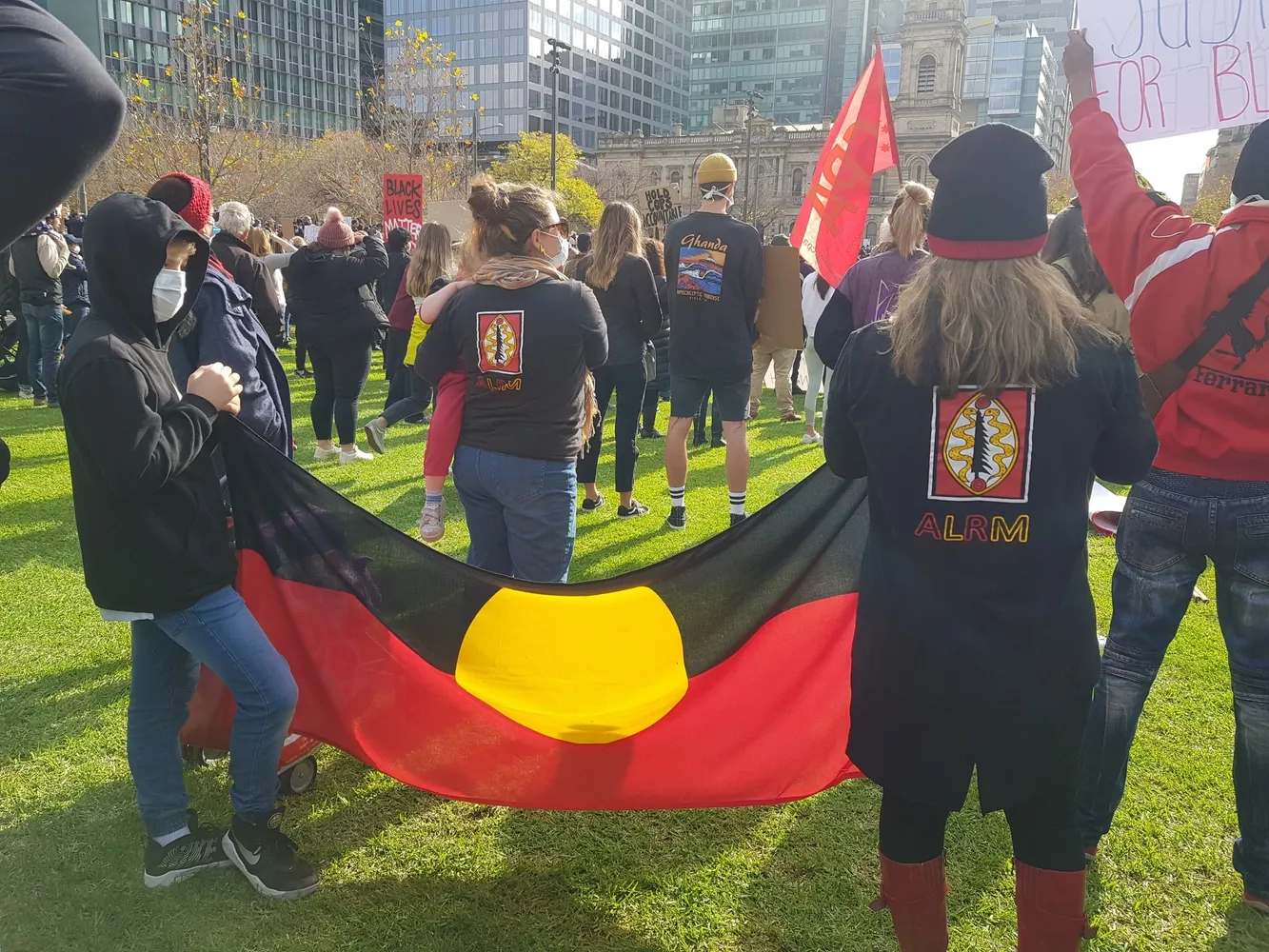 # Justice Without Prejudice To pursue social justice, equality, and wellbeing for the Aboriginal people of South Australia, especially for those Aboriginal people who are detained in police custody or imprisoned. [LEARN MORE](https://www.alrm.org.au/our-vision-and-values)  ### ALRM Membership [Learn More](https://www.alrm.org.au/membership/)  for participants vs. similar cases without support
For 10-25 yearsAboriginal youth
Aggression Replacement Training
Evidence-based group program helping youth manage anger and aggression through positive thinking and moral value development.
Reduced detention due to unpaid fines
Says it measures this by Number of young people prevented from detention/imprisonment through work permit option
For Youth with aggressive behaviors
The Corporation Of The Synod Of The Diocese Of Brisbane
Youth Justice Support program in Queensland. Bail Support Program, Intensive Family Partnership, Community Co-responder
Reduced detention due to unpaid fines
Says it measures this by Number of young people prevented from detention/imprisonment through work permit option
Bail Support Success
Says it measures this by Percentage of young people meeting bail conditions
For 10-17
Community-based alternatives to Ashley Youth Detention Centre. Following Royal Commission recommendations, development of community-based therapeutic residential care and diversion programs.
Reduction in youth detention rates
Says it measures this by Pre/post youth detention data from WA Department of Justice records comparing Kimberley region to state averages over implementation period
For 10-18 yearsYouth in justice system
Queensland Department of Youth Justice
Helps at-risk youth comply with bail conditions, provides basic needs and connects to support services across multiple Queensland locations
Reduced youth detention through bail compliance
Says it measures this by Number of youth successfully complying with bail conditions, tracked via youth justice records across program locations
For Young people (10-17)Young adults (18-25)
Save the Children
NGO-delivered case management for youth on bail across TAS, QLD, WA
Reduction in pretrial detention
Says it measures this by Number of days spent in detention pre-trial compared to baseline, tracked via justice system records
For Young people (10-17)Young adults (18-25)
Balga Justice Reinvestment
BalgaPerthWA
Ebenezer Aboriginal Corporation
Justice reinvestment initiative in Balga, Perth, Western Australia, led by Ebenezer Aboriginal Corporation, funded under the Commonwealth National Justice Reinvestment Program (NJRP). Confirmed on the Attorney-General's Department list of funded justice reinvestment initiatives.
Detention rates in Balga
Says it measures this by Annual count of people held in custody from the Balga area.
For
Blue EDGE – Darling Downs
QLDDarling Downs
Blue EDGE – Darling Downs
Youth Development program in Queensland. Early intervention, Development, Growth, Education
Reduced youth detention referrals
Says it measures this by Number of formal detention referrals per 100 participants before and after the program.
Blue EDGE – YMCA Acacia Ridge
QLDAcacia Ridge
Blue EDGE – YMCA Acacia Ridge
Youth Development program in Queensland. Early intervention, Development, Growth, Education
Reduced early justice involvement
Says it measures this by Number of youths referred to the youth justice system before age 18 before and after program exposure.
Carnarvon Justice Reinvestment
CarnarvonGascoyneWA
Gascoyne Development Commission
Justice reinvestment initiative in Carnarvon, Western Australia, led by the Gascoyne Development Commission, funded under the Commonwealth National Justice Reinvestment Program (NJRP). Confirmed on the Attorney-General's Department list of funded justice reinvestment initiatives.
Reduced detention/incarceration
Says it measures this by Number of individuals placed in custody from the Carnarvon catch‑area compared with baseline.
Lower Detention Rates in Carnarvon
Says it measures this by Quarterly count of individuals detained from the Carnarvon region compared with the pre‑program baseline.
Reduced incarceration rates in Carnarvon region
Says it measures this by Change in the proportion of Carnarvon residents held in custody before and after implementation of the reinvestment initiative.
Reduced Detention Rates in Carnarvon
Says it measures this by Annual number of people detained in Carnarvon compared with baseline figures prior to the initiative.
Reduced detention and incarceration in Carnarvon
Says it measures this by Change in the number of individuals placed in custodial settings from the Carnarvon catchment area, using state correctional statistics.
Detention rates in Carnarvon
Says it measures this by Annual count of people held in custody from the Carnarvon catchment.
For
$10M over 4 years (2023-24 Budget) for community-led justice reinvestment. Consortium led by Lhere Artepe, Desert Knowledge, and Anglicare NT. Focus on holistic, Aboriginal-led approaches to reducing youth incarceration in Central Australia.
Reduction in youth incarceration in Central Australia
Says it measures this by Youth detention numbers from justice system records before and after program implementation
For Youth at-riskCommunity-wide prevention
Churches of Christ Care
Residential care services for children and young people in QLD, including therapeutic residential care and supported independent living for youth exiting detention or child protection.
Reduced detention
Says it measures this by Number of youth exiting detention or child protection who do not re-enter detention within a certain timeframe
For
Aboriginal community-led justice reinvestment program in Moree, NSW. Part of Just Reinvest NSW statewide initiative focused on reducing over-imprisonment through community-developed solutions.
Reduction in over-imprisonment rates
Says it measures this by Comparison of imprisonment rates before and after program implementation over a 12-month period
For Aboriginal communityYoung peopleJustice-involved individuals
Community Youth Diversion Program - Alice Springs
Alice SpringsCentral AustraliaNT
TFHC-funded 12-week structured program for youth who have already experienced a crisis point (contact with justice system). Includes support for alcohol and drug problems, health checks, and community service hours. Aims to prevent future reoffending and keep young people out of prison. Part of the reactive/through-care intervention spectrum.
Reduced Incarceration
Says it measures this by Number of program participants who are incarcerated within a certain timeframe after program completion.
For youth-10-18justice-involved-youth
Derby Justice Reinvestment
DerbyKimberleyWA
Emama Nguda Aboriginal Corporation
Justice reinvestment initiative led by Emama Nguda Aboriginal Corporation in Derby, Western Australia, funded under the Commonwealth National Justice Reinvestment Program (NJRP). Confirmed on the Attorney-General's Department list of funded justice reinvestment initiatives.
Reduced Incarceration Levels in Derby
Says it measures this by Yearly incarceration statistics for the Derby community relative to the year prior to the initiative.
Reduced youth detention
Says it measures this by Number of youth placed in detention before and after program rollout, obtained from local detention centre data.
Reduced incarceration rates in Derby region
Says it measures this by Yearly comparison of Derby‑area imprisonment figures to baseline levels prior to the program.
Lower incarceration rates
Says it measures this by Annual count of people from Derby sentenced to custodial terms before and after the initiative.
Reduced youth detention rates
Says it measures this by Proportion of Derby‑area youths placed in custody each year compared with the baseline period.
Reduced Detention Rates in Derby
Says it measures this by Annual detention counts for Derby residents before and after programme launch.
Lower youth detention numbers in Derby
Says it measures this by Annual count of youths placed in custodial settings from the Derby catch‑area, compared with pre‑program figures.
For
Palm Island Community Company
Safe sobering-up alternative to police custody on Palm Island. Culturally safe space reducing police contact and incarceration for minor offences.
Reduced Incarceration
Says it measures this by Number of program participants who are incarcerated within a certain timeframe after program completion.
For adultsfirst_nations
Foster Care and Out-of-Home Care
NSWQLDVICACT
Provides foster care placements, residential support, and transition care for children and young people. Includes intensive case management, behaviour support via psychology and speech pathology, and independent living skills training.
Stable Care Placements
Says it measures this by Number of young people in stable care placements.
For
Foyer Oxford
LeedervilleWA
Anglicare WA
Youth Foyer model in Perth providing accommodation, education, and employment support for homeless young people. Housing stability combined with pathways to independence.
Housing stability for participants
Says it measures this by Percentage of youth maintaining stable accommodation for at least six months after entering the programme.
Housing stability
Says it measures this by Number of homeless young people achieving stable housing.
Housing stability
Says it measures this by Number of homeless youth achieving stable housing.
Housing Stability
Says it measures this by Number of homeless young people achieving stable housing through the Foyer Oxford program.
Housing Stability for Homeless Youth
Says it measures this by Number of homeless youth achieving stable housing.
Housing stability
Says it measures this by Number of young people who achieve stable housing after participating in the Foyer Oxford program.
Housing Stability
Says it measures this by Number of nights spent in stable accommodation
Increased Housing Stability
Says it measures this by Number of young people maintaining stable housing.
Stable housing duration
Says it measures this by Percentage of participants maintaining continuous accommodation for at least six months.
Housing Stability
Says it measures this by Number of homeless youth achieving stable accommodation
Housing stability
Says it measures this by Number of participants maintaining stable housing for six months or more.
Housing stability
Says it measures this by Number of young people maintaining stable housing for a specified period.
Housing Stability
Says it measures this by Number of homeless young people achieving stable housing through the program.
Housing stability
Says it measures this by Number of homeless young people achieving stable housing.
Housing stability
Says it measures this by Percentage of participants maintaining stable housing for at least 6 months.
Housing Stability
Says it measures this by Number of participants achieving stable housing.
Housing stability
Says it measures this by Number of young people maintaining stable accommodation.
Increased housing stability
Says it measures this by Average consecutive nights housed for participants over a 12‑month period.
Housing stability
Says it measures this by Number of young people maintaining stable housing.
Housing stability
Says it measures this by Duration of stable housing for participants.
Housing stability
Says it measures this by Number of homeless young people securing stable housing.
Increased housing stability for homeless youth
Says it measures this by Average number of consecutive nights housed per participant per year.
Housing Stability
Says it measures this by Number of homeless youth achieving stable housing.
For 16-25 yearsHomeless youth
Highly successful Aboriginal-led youth engagement program on Groote Eylandt. Achieved 95% reduction in youth crime (346 offences in 2018-19 to 17 in 2021-22). Zero youth offenders in Don Dale as of January 2024. Includes Healing Centre (cultural healing, group therapy, drug/alcohol services) and Bush Rehabilitation Camp (traditional culture immersion, work discipline). Established under Local Decision-Making Agreement 2018.
Elimination of youth detention in Don Dale
Says it measures this by Zero youth offenders held at Don Dale facility as of January 2024
For 10-17 yearsGroote Eylandt youthBarkly region
Gold Coast Youth Service (YASS)
QLDMiami
Gold Coast Youth Service (YASS)
Youth Support program in Queensland. Youth access, Support services, Case management, Community engagement
Reduced youth detention episodes
Says it measures this by Number of detention episodes recorded for participants before and after involvement with YASS.
Reduced youth detention/incarceration
Says it measures this by Number of YASS participants who avoid detention over a 12‑month period versus baseline.
Guŋga'yunga Djamarrkuliny (East Arnhem Land Youth Model)
East Arnhem LandGaliwinkuGapuwiyakGunyangaraMilingimbiNTRaminginingYirrkala
Pioneering Local Decision Making initiative delivered through Arnhem Land Progress Aboriginal Corporation (ALPA). Co-funded $7.75M extension to June 2027. Covers Nhulunbuy, Galiwinku, Gunyangara, Ramingining, Milingimbi, Gapuwiyak, and Yirrkala communities.
Reduced youth detention rates
Says it measures this by Annual count of youths from the target communities placed in detention before and after model implementation.
For YouthEast Arnhem Land communities
Homelessness Response Group (HRG)
Northern Territory
NORTHERN TERRITORY SHELTER
enables improved case management processes and outcomes for clients, particularly those with complex needs
Housing Stability
Says it measures this by Percentage of clients maintaining stable housing over a 6-month period
Case Management Effectiveness
Says it measures this by Reduction in the number of clients entering the justice system due to improved case management.
Reduced homelessness
Says it measures this by Measure housing stability and reduced institutional contact for clients served
For people experiencing homelessness
Homelessness Support
Victoria and Tasmania
Uniting (Victoria and Tasmania) Limited
Services to support people experiencing or at risk of homelessness
Reduced homelessness risk
Says it measures this by Proportion of participants maintaining stable housing over a 6-month follow-up period.
For People experiencing homelessness or housing instability
ICYS Ipswich Community Youth Service Inc.
ICYS is a non-profit youth and community service organization providing support to young people aged 10-25 and their families in the Ipswich region. They offer crisis intervention, housing support, youth engagement programs, and case management services to vulnerable youth.
Improved housing stability for youth
Says it measures this by Tracking the number of youth who maintain stable housing for 12 months post-intervention
For Young people (10-17)Young adults (18-25)
Interim bail response program
National
Provides support to youth on bail, exiting detention or at risk of reoffending to reduce remand rates and limit reoffending.
Reduction in youth remand rates
Says it measures this by Comparison of remand rates before and after program participation over 12 months
Junction Australia
Youth homelessness and support services in Adelaide. Crisis accommodation, transitional housing, and case management for at-risk young people.
Reduction in youth homelessness rates
Says it measures this by Tracking the number of participants who secure stable housing within 12 months
For 12-25 yearsHomeless youth
Just Reinvest New South Wales (JRNSW)
An organization working to 'reinvest' public money spent on expanding prisons into programs run by and for Indigenous Communities that can reduce incarceration, specifically within New South Wales.
Reduction in Indigenous youth incarceration rates
Says it measures this by Comparison of incarceration rates before and after program implementation over a 12-month period
For Indigenous Communities in NSWAboriginal and Torres Strait Islander people
Work to keep people out of prison and help them get their lives back on track. Ensure that people leaving prison can successfully transition back into the community.
Reduced incarceration through community support
Says it measures this by Tracking numbers of people kept out of prison through program participation and successful community transitions
For People at risk of imprisonmentPeople leaving prison
Justice Reinvestment
NSWNational
Indigenous Communities (general), organizations like Just Reinvest New South Wales
A strategy pursued by Indigenous Communities in Australia to redirect public money from the criminal justice system (prisons, police) to Indigenous-controlled services and infrastructure, aiming to reduce incarceration rates and exercise Indigenous self-determination.
Reduced Indigenous incarceration rates
Says it measures this by Pre/post incarceration data from justice system comparing Indigenous population incarceration rates before and after implementation of redirected community resources
For Aboriginal and Torres Strait Islander people
Justice reinvestment approach
NationalNSW
Australian Government, State and Territory governments
Approach that diverts resources from imprisonment into local communities, addressing underlying causes of crime through early intervention and community responses, as advocated in the report.
Reduction in youth incarceration rates
Says it measures this by Comparison of youth incarceration rates before and after implementation of justice reinvestment strategies over 2 years
For Aboriginal/Torres Strait Islander youth
A proposed policy mechanism to formally redirect government funds from prisons and policing into community-led prevention strategies, aiming to shift power and resources to Aboriginal communities and guarantee long-term funding for initiatives in New South Wales.
Reduced incarceration
Says it measures this by Comparison of prison population rates before and after policy implementation.
Reduced detention/incarceration rates
Says it measures this by Measured by comparing annual incarceration rates before and after implementation of the reinvestment mechanism.
Reduced incarceration rates in Aboriginal communities
Says it measures this by Compare the annual number of Aboriginal adults held in prison before and after the mechanism’s implementation.
Reduced incarceration rates
Says it measures this by Annual count of people held in prisons before and after the mechanism is implemented.
Reduced incarceration rates
Says it measures this by Change in the number of people held in prison per 100,000 population compared year‑over‑year.
Reduced prison population
Says it measures this by Change in the number of people held in prisons or police custody year‑over‑year after funds are redirected.
Reduced Incarceration Rates
Says it measures this by Annual incarceration rate per 100,000 population in the targeted Aboriginal communities compared to baseline rates.
Reduced reliance on incarceration
Says it measures this by Change in incarceration rates for Aboriginal people in NSW measured annually before and after implementation.
Reduced Incarceration
Says it measures this by Number of individuals incarcerated
Lower detention rates
Says it measures this by Rate of Aboriginal individuals receiving custodial sentences per 1,000 population before and after the mechanism’s implementation.
Reduced Detention
Says it measures this by Comparison of detention rates before and after the intervention
Reduced incarceration rates
Says it measures this by Change in the state prison population expressed as a percentage reduction over a 12‑month period.
Reduced detention/incarceration
Says it measures this by Annual number of individuals placed in prison or detention facilities before and after implementation of the mechanism.
Reduced detention/incarceration
Says it measures this by Number of people held in prison or police custody per year compared with baseline before the mechanism was implemented.
Reduced detention and incarceration rates
Says it measures this by Annual prison population numbers in New South Wales compared to baseline before the mechanism was implemented.
Reduced detention and incarceration rates
Says it measures this by Percentage change in the number of Aboriginal people held in prison or police custody annually, sourced from NSW justice statistics.
Reduced incarceration rates
Says it measures this by Annual prison population numbers in NSW before and after fund redirection.
People detained per year
Says it measures this by Total number of individuals held in custody annually.
Reduced detention and incarceration rates
Says it measures this by Change in the incarceration rate of Aboriginal adults in NSW over the five years following the mechanism’s introduction.
For Aboriginal and Torres Strait Islander people
Comprehensive research framework addressing five priority areas: (1) Reinvestment mechanisms - how to redirect justice funding to communities; (2) School exclusions - addressing education-to-prison pipeline; (3) Throughcare - pre and post-release support; (4) Children and young people - preventing youth justice involvement; (5) Smarter sentencing orders - alternatives to incarceration. Evidence-based approach informing statewide JR strategy.
Increased alternatives to incarceration
Says it measures this by Number of alternative sentencing orders issued per year
For Policy makersAboriginal communitiesJustice-involved people
Kimberley Juvenile Justice Strategy
DerbyKimberleyWA
WA Government + Kimberley Aboriginal organizations
Regional justice reinvestment strategy for Kimberley region, WA. Multi-agency approach including Aboriginal community organizations, government, and NGOs. Focus on diversion, early intervention, and community-led solutions to reduce youth detention.
Reduction in youth detention rates
Says it measures this by Pre/post youth detention data from WA Department of Justice records comparing Kimberley region to state averages over implementation period
Reduced youth detention
Says it measures this by Decrease in the number of youth detained in the Kimberley region.
Reduced youth detention
Says it measures this by Reduction in the number of youth detained in the Kimberley region.
Reduced detention/incarceration
Says it measures this by Reduction in the number of youth detained in the Kimberley region.
Reduction in youth detention rates
Says it measures this by Number of youths placed in detention per 1,000 population before and after strategy implementation.
Youth detention reduction
Says it measures this by Decrease in youth detention rates in the Kimberley region.
Reduced youth detention
Says it measures this by Number of young people in detention in the Kimberley region before and after implementation of the Kimberley Juvenile Justice Strategy.
Reduced youth detention
Says it measures this by Reduction in the number of youth detained in the Kimberley region.
Reduced youth detention
Says it measures this by Reduction in the number of youth detained in the region.
Reduced youth detention
Says it measures this by Reduction in the number of youth detained in the Kimberley region.
Reduced youth detention
Says it measures this by Reduction in the number of youth detentions in the Kimberley region.
Reduced youth detention rates in Kimberley
Says it measures this by Annual youth detention numbers in the Kimberley region before and after strategy implementation.
For 10-17 yearsKimberley youthAboriginal focus
Kinchela Boys Home Aboriginal Corporation
Justice reinvestment initiative led by Kinchela Boys Home Aboriginal Corporation in Sydney, funded under the Commonwealth National Justice Reinvestment Program (NJRP). Confirmed on the Attorney-General's Department list of funded justice reinvestment initiatives.
Reduced youth incarceration from Kinchela Boys Home
Says it measures this by Number of former Kinchela Boys Home residents placed in youth detention before and after the reinvestment program.
Reduced youth detention rates in Sydney
Says it measures this by Annual decline in the number of youth placed in detention from the Kinchela Boys Home catchment, as reported by the NSW Department of Communities.
For
SA Department of Human Services
State youth detention and rehabilitation centre in South Australia
Reduction in youth detention rates
Says it measures this by Pre/post youth detention data from WA Department of Justice records comparing Kimberley region to state averages over implementation period
For Young people (10-17)Young adults (18-25)
Launch Housing
Youth homelessness services across Melbourne. Housing First approach with wraparound support for young people experiencing homelessness.
Increased stable housing placements
Says it measures this by Number of young people placed in stable housing over a 12-month period
For 16-25 yearsHomeless youth
Youth Advocacy Centre Inc
Specialist youth lawyers provide legal representation, information, and advice about the law, legal and court processes, and young people's legal rights
Legal Representation
Says it measures this by Number of young people receiving legal representation in court per month
For Young people (10-17)Young adults (18-25)
Life Without Barriers
Youth Justice Services program in Queensland. Life skills development, Employment assistance, Housing support
Improved housing stability
Says it measures this by Number of young people maintaining stable housing for at least 6 months, recorded through housing support case notes
For 10-25
Mampu-Maninjaku (CAYLUS) Justice Reinvestment
NyirripiWillowraYuendumuCentral AustraliaNT
Central Australian Youth Link-Up Service (CAYLUS)
Justice reinvestment initiative serving Nyirripi, Willowra, Yuendumu and surrounding outstations in the Northern Territory, led by the Central Australian Youth Link-Up Service (CAYLUS) / Tangentyere Council with the Australian Childhood Foundation and Southern Tanami Kurdiji Indigenous Corporation. Funded under the Commonwealth Central Australia Justice Reinvestment Program, announced 17 July 2025.
Reduced youth detention in NT communities
Says it measures this by Compare the count of youths held in detention facilities from Nyirripi, Willowra, Yuendumu and outstations before and after the Mampu‑Maninjaku initiative.
Reduced youth detention in Central Australia
Says it measures this by Decrease in the count of youth detained from Nyirripi, Willowra, Yuendumu and surrounding outstations over the program period.
Reduced youth detention rates in Central Australian communities
Says it measures this by Annual count of youths aged 10‑17 placed in detention before and after the CAYLUS initiative.
Reduced youth detention rates in Central Australia
Says it measures this by Tracked by the annual count of youth detained in NT correctional facilities.
Reduced youth detention rates
Says it measures this by Number of youths placed in custodial settings from the service area before and after program start.
Reduced youth detention in remote NT communities
Says it measures this by Number of youths detained annually in Nyirripi, Willowra, Yuendumu and surrounding outstations before and after the initiative.
For
Maranguka Limited
Flagship community-led justice reinvestment achieving significant crime reduction
Reduced detention rates
Says it measures this by Number of individuals from the community placed in custodial settings per 1,000 population before and after implementation.
Reduced incarceration rates
Says it measures this by Number of individuals from the community placed in custodial sentences per annum, before and after project launch.
Reduced detention days
Says it measures this by Average number of days spent in custody per offender before and after the project.
For Young people (10-17)Young adults (18-25)
Migration Justice
Australia
Human Rights Law Centre
Protecting and advancing rights of migrants and refugees
Reduced detention of migrants and refugees
Says it measures this by Monthly count of migrants/refugees held in immigration detention centres.
For Migrants, refugees, asylum seekers
NAAJA Youth Justice Advocacy and Legal Services
Alice SpringsCentral AustraliaNT
North Australian Aboriginal Justice Agency provides legal representation and advocacy for young people in the justice system across Central Australia. NAAJA participates in diversion, court support, and systemic advocacy. Key stakeholder in the Youth Services Mapping workshops and the Mparntwe Youth Action Plan development. 98% of children in NT youth detention are Aboriginal.
Reduced Incarceration
Says it measures this by Number of program participants who are incarcerated within a certain timeframe after program completion.
For youth-10-18justice-involved-youthaboriginal-youth
Australian Federal Government (administered by Jumbunna Institute for Indigenous Education and Research for design guidance)
A place-based community-led initiative funded by the Federal Government ($81.5 million total) to support justice reinvestment in up to 30 communities. Focuses on early intervention and prevention, addressing reasons why Aboriginal and Torres Strait Islander people come into contact with police and are locked up.
Reduction in Aboriginal incarceration rates
Says it measures this by Comparison of incarceration rates in targeted communities before and after program implementation over 3 years
For Aboriginal and Torres Strait Islander peopleCommunities with high contact with justice system
Palm Island Community Justice Group
Palm IslandQLD
Palm Island Community Justice Group
Aboriginal community justice group operating on Palm Island (Bwgcolman). Provides culturally appropriate dispute resolution, mediation, and court support. Key mechanism for community-led alternatives to incarceration.
Reduced incarceration referrals
Says it measures this by Number of cases diverted from court or incarceration through mediation and court support.
For youthadultsfirst_nations
Path to Independence
Queensland youth justice service provider - Path to Independence
Independence Achieved
Says it measures this by Number of participants who achieve independence and do not re-enter the justice system
Independence Achievement
Says it measures this by Number of participants who achieve independent living arrangements
Youth Independence
Says it measures this by Number of participants achieving independence from the youth justice system
Independence achieved
Says it measures this by Number of participants achieving independent living
Independent Living
Says it measures this by Number of participants achieving independent living arrangements
Independence achieved
Says it measures this by Number of participants who achieve independent living
Independence Achieved
Says it measures this by Number of participants achieving independent living and reduced justice system contact
Independence Achieved
Says it measures this by Number of participants achieving independence from the justice system
Reduced youth detention/incarceration rates
Says it measures this by Proportion of participants who remain in community settings versus custody over a 12‑month follow‑up period.
For Young people (10-17)Young adults (18-25)
Youth Advocacy Centre Inc
Supports young people who have no stable housing to transition to and/or sustain housing
Housing Transition
Says it measures this by Number of young people transitioning to stable housing per month
For Young people (10-17)Young adults (18-25)
Department of Youth Justice / Community organisations
Programs facilitating restorative processes between offenders and victims/community. Includes conferencing, mediation, and community-led justice responses.
Diversion from detention
Says it measures this by Number of participants diverted from formal court processing or detention through restorative programs
For
Lifeline Darling Downs And South West Queensland Limited
Youth Support program in Queensland. Rural youth support, Case management, Community engagement
Reduced rural youth incarceration rates
Says it measures this by Change in incarceration rates for rural youth in the target area over the program period.
Compassionate and trauma-informed child protection, youth and family support. Strengths-based approach using Hope and Healing Framework and Therapeutic Crisis Intervention. Residential care and supported accommodation across QLD.
Stable accommodation retention
Says it measures this by Length of stay in residential or supported accommodation without disruption
For
Selectability Limited After-Hours Program
Youth Outreach program in Queensland. After-hours outreach, Mentoring, Transportation and referrals
Reduced detention referrals
Says it measures this by Number of youth diverted from detention after receiving after‑hours outreach.
Reduced detention/incarceration rates
Says it measures this by Number of after‑hours contacts that resulted in avoided custodial referrals over a 12‑month period.
Reduced after‑hours youth detention
Says it measures this by Number of after‑hours incidents resulting in detention before and after program implementation.
ShelterME website
Northern Territory
NORTHERN TERRITORY SHELTER
provides up-to-date information about accommodation and services throughout the NT
Accommodation Access
Says it measures this by Number of individuals accessing accommodation services through the website
Accommodation Access
Says it measures this by Increase in the number of people accessing accommodation services through the website.
For people experiencing homelessness
So Youth Pilot Program
Youth Engagement program in Queensland. Drop-in services, Basketball activities, Youth recreation
Reduced youth detention rates
Says it measures this by Quarterly count of youth referrals to detention compared with baseline figures.
Koomarri
A program that provides supported accommodation using a family governed model of support.
Reduced youth detention
Says it measures this by Proportion of youth in supported accommodation instead of secure detention facilities.
For People with a disability
Community-based youth justice services under Youth Justice Act 1997. Provides supervision, support and rehabilitation for young people aged 10-17 on community orders as alternative to detention.
Reduction in youth detention rates
Says it measures this by Pre/post youth detention data from WA Department of Justice records comparing Kimberley region to state averages over implementation period
For Young people aged 10-17Youth on community orders
Tennant Creek Mob Youth Diversion Services
Ali CurungBarklyElliottNT
Aboriginal-led youth diversion services including life skills, cultural activities, social and recreational programs. Runs Youth Camps (cultural camps with elders) and Annual Youth Leadership Camp. Funded by Department of Corrections as community-based alternative to detention.
Reduction in youth detention rates
Says it measures this by Pre/post youth detention data from WA Department of Justice records comparing Kimberley region to state averages over implementation period
For YouthTennant CreekBarkly region
The Salvation Army Property Trust - Youth Outreach Service
The Salvation Army Youth Outreach Service provides support and assistance to at-risk and vulnerable young people aged 12-25 in Queensland. They offer crisis intervention, case management, housing support, and connections to other community services to help young people overcome challenges and work towards positive outcomes.
Increased housing stability for youth
Says it measures this by Tracking the number of youth who secure stable housing over a 12-month period
For Young people (10-17)Young adults (18-25)
Townsville Youth Foyer
Youth Housing program in Queensland. Accommodation, Wraparound support, Education, Employment opportunities[7][12]
Housing Stability
Says it measures this by Length of stable housing tenure among program participants
Housing Stability
Says it measures this by Number of days participants spend in stable housing versus detention
Housing Stability
Says it measures this by Percentage of participants maintaining stable housing over a 6-month period
Housing Stability
Says it measures this by Percentage of participants maintaining stable housing over a 12-month period.
Housing stability
Says it measures this by Track housing stability and reduced contact with youth justice system
Housing Stability
Says it measures this by Comparison of housing stability and reduced incarceration rates for program participants versus a control group.
Reduced Homelessness
Says it measures this by Number of participants in stable accommodation
Stable accommodation
Says it measures this by Number of nights in secure housing versus detention
Housing stability
Says it measures this by Number of days participants spend in stable housing
Housing stability
Says it measures this by Number of days spent in stable accommodation
Housing Stability
Says it measures this by Length of stable housing tenure among program participants.
Housing Stability
Says it measures this by Length of stable accommodation and reduction in justice system contact
Reduced detention/incarceration
Says it measures this by Number of youth avoiding custody due to stable accommodation and support.
Reduced detention
Says it measures this by Comparison of detention rates among program participants and non-participants.
Stable housing
Says it measures this by Duration of stable housing tenure and housing outcomes achieved
Housing stability
Says it measures this by Number of days spent in stable accommodation
Housing Stability
Says it measures this by Number of days spent in stable housing versus detention
For 16-25
Transition 2 Success (T2S)
Education & Training program in Queensland. Vocational training, Educational pathways, Life skills
Reduced detention due to unpaid fines
Says it measures this by Number of young people prevented from detention/imprisonment through work permit option
For 15+
$7.9M program allowing up to 60 young people in foster care to continue living with existing Uniting carers or access supported accommodation until age 21. Youth development coaches assist with health, wellbeing, education and employment.
Extended care stability
Says it measures this by Proportion of youth remaining in stable care or accommodation until age 21
For
Uniting Youth Services
NSWACT
Range of youth services across NSW and ACT including homelessness support, mental health programs, learner driver mentoring, and crisis intervention for young people.
Reduced homelessness risk
Says it measures this by Number of youth securing stable accommodation after crisis intervention
For
Youth-specific programs across Queensland including crisis accommodation, out-of-home care, mentoring and peer support. Regional services in Townsville, Burdekin, Agnes Water, Sunshine Coast and Gold Coast.
Stable crisis accommodation
Says it measures this by Length of stay in crisis accommodation without re-entry to justice system
For
West Moreton Youth Detention Centre
Youth Detention program in Queensland. Secure accommodation, Education, Support services
Reduction in youth detention rates
Says it measures this by Pre/post youth detention data from WA Department of Justice records comparing Kimberley region to state averages over implementation period
For 10-17
Western Region Youth Service
QLDEmerald
Western Region Youth Service
Youth Support program in Queensland. Regional support, Case management, Youth programs
Reduced youth detention rates regionally
Says it measures this by Number of youths placed in custodial settings from the Western Region before and after service rollout.
Wesley Mission Queensland
Youth and Family Support program in Queensland. Parenting support, Youth programs, Housing assistance
Housing Assistance
Says it measures this by Number of young people receiving housing assistance per month
For Youth and young parents
Service assisting with work development permits as alternative to fine payment, potentially benefiting young people with outstanding fines.
Reduced detention due to unpaid fines
Says it measures this by Number of young people prevented from detention/imprisonment through work permit option
For Aboriginal and Torres Strait Islander peoples with fines
Yeddung Mura Justice Reinvestment Programs
CanberraACT
Yeddung Mura Aboriginal Corporation
Justice reinvestment and good-pathways programs delivered by Yeddung Mura Aboriginal Corporation in Canberra (Ngunnawal Country), working alongside the ACT Government's RR25by25 justice reinvestment strategy. State-funded.
Reduced detention/incarceration
Says it measures this by Number of days in custody per participant before and after program enrollment, sourced from correctional records.
For
Youth Accommodation Support Service
South East QueenslandQLD
Youth Advocacy Centre Inc
Support for young people experiencing or at risk of homelessness
Housing Stability
Says it measures this by Number of nights spent in stable housing per month
For Young people experiencing homelessness or housing instability
Youth Advocacy Centre Inc
Youth Advocacy Centre provides free legal and support services to young people aged 10-18 in criminal, civil and administrative law matters, including legal advice, representation and social support.
Legal Representation
Says it measures this by Number of young people receiving legal representation in court per month
For Young people (10-17)Young adults (18-25)
Provides limited short-term supervised accommodation as a last resort to custody for young people who have been given bail but have no-one to bail them and nowhere to go
Reduced pre-trial detention
Says it measures this by Number of young people provided short-term supervised accommodation as alternative to custody while on bail
For Young people granted bail with no accommodation
Youth Futures WA
Youth homelessness and support services in Perth. Crisis accommodation, transitional housing, and intensive case management for at-risk young people.
Reduction in youth homelessness
Says it measures this by Tracking the number of youth entering homelessness services versus those entering detention over 12 months
For 12-25 yearsHomeless youth
Youth Housing and Reintegration Service (YHARS)
Housing Support program in Queensland. Housing assistance, Case management, Reintegration support
Increased housing stability for youth
Says it measures this by Tracking the number of youth who secure stable housing over a 12-month period
For 12-21