Skip to content
Centre of Excellence
System Map

HOW THE STACK
CARRIES THE WORK

JusticeHub is a stack of layers. Each layer is owned by a different actor. Each layer connects to the next without flattening the layer below.

That is what makes a STAY campaign moment, a Country trip, a story, an exhibition, or a national convening tractable as data without making the community legible only as data.

Five questions, plain answers

How the system actually works for an org, in five questions.

Question 01

How a story gets told

A young person tells their story. Empathy Ledger holds the consent record with the storyteller name on it. The org publishes only if the storyteller has said yes. The storyteller can withdraw the same day. The public layer drops it that day.

Question 02

How a program becomes visible

The org adds programs through their workspace. Each program lives at /organizations/[slug] in the org's own words. The Australian Living Map of Alternatives indexes the program nationally on the org's terms.

Question 03

How a trip gets logged

A trip is a row in the workspace activity log. The funding for the trip sits in the cross-site exchange bucket. Both communities co-sign the protocol. Stories from the trip move through Empathy Ledger with per-storyteller consent.

Question 04

How funding follows the work

The funding workspace holds the org's working note, partner asks, blockers, and outcome commitments. CivicGraph reads the funding map against the work map and surfaces orgs that funders have not yet seen. Funders find the work. The work does not chase the funder.

Question 05

How art and exhibition travel

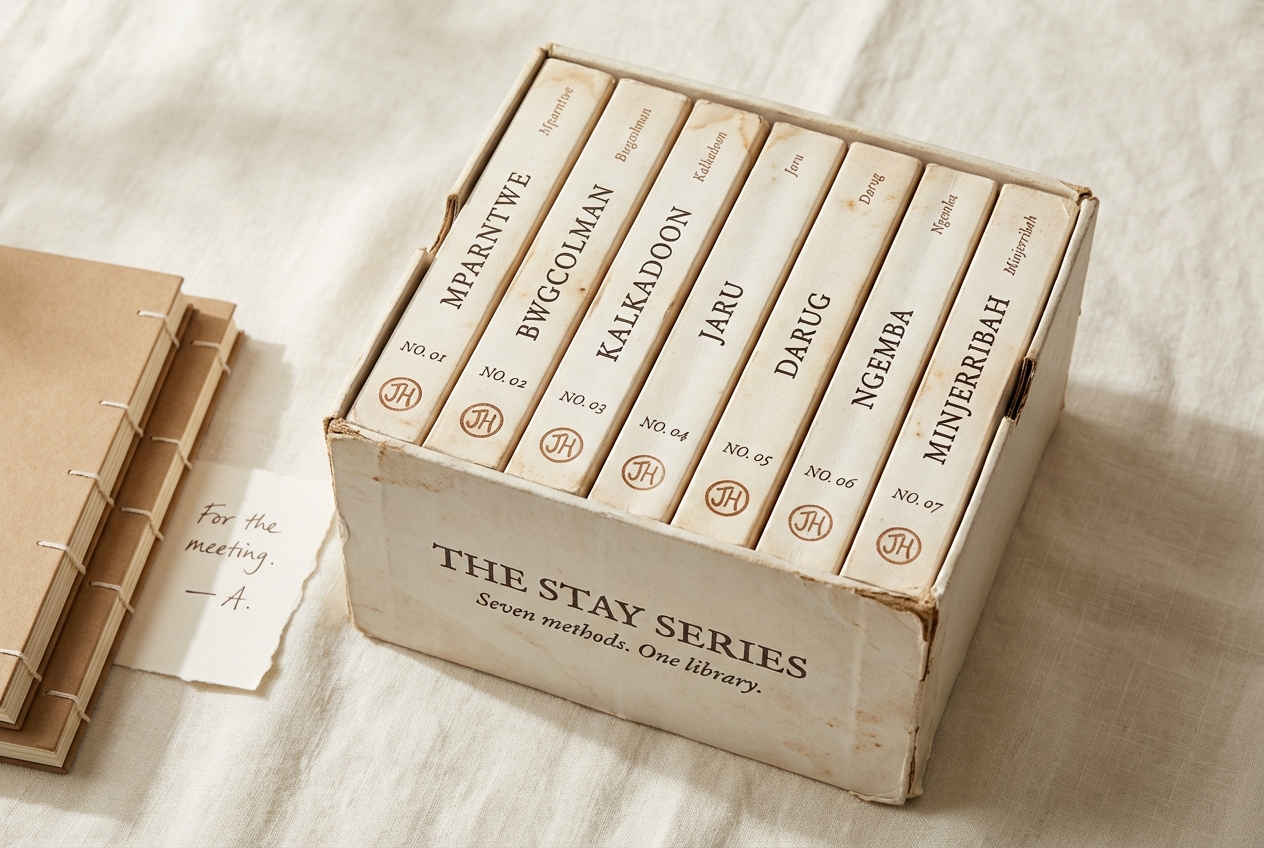
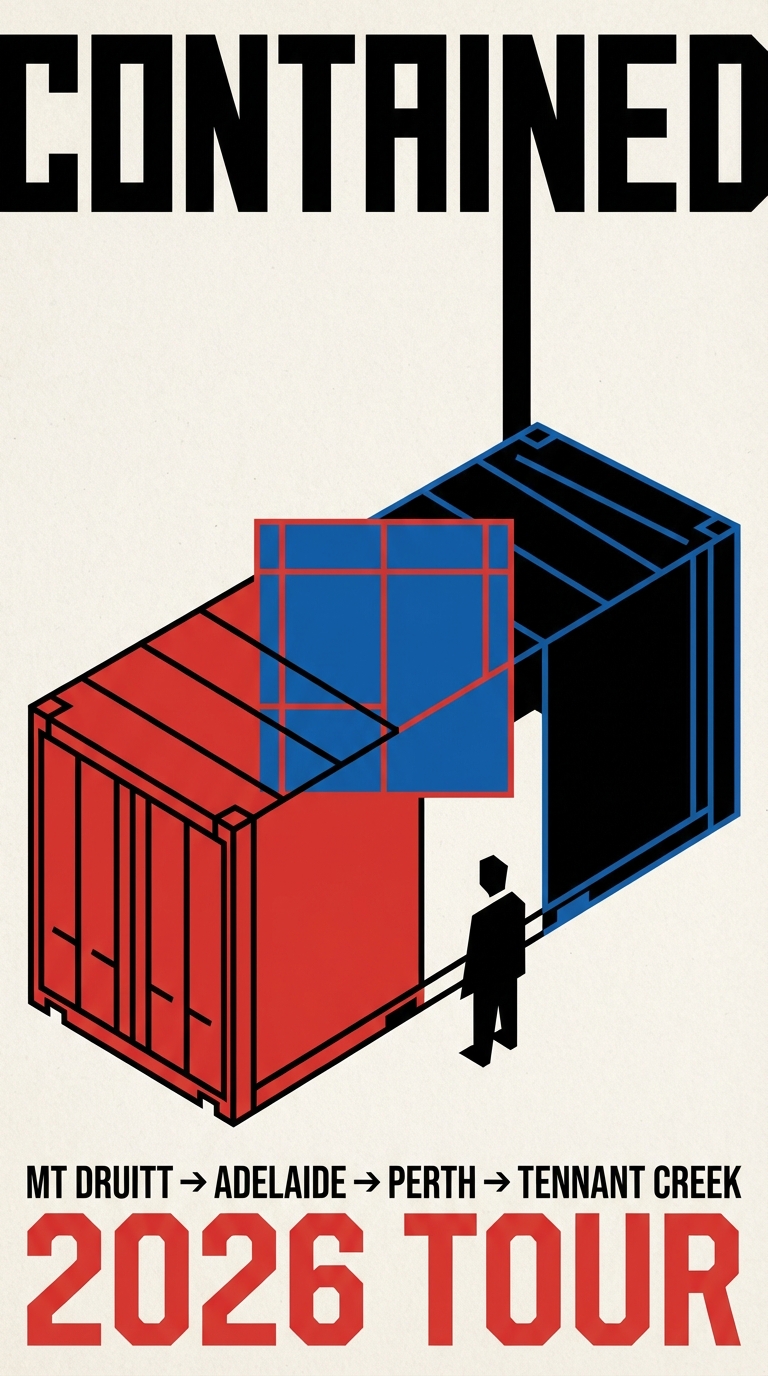
The Contained tour carries STAY images, postcards, and journals through Perth, Mt Druitt, Adelaide, Tennant Creek, Brisbane. Year 3 lands as a national exhibition, a book, and a field convening at the Harvest in Witta. Every story along the way stays on per-storyteller consent. Withdrawable.

A worked example

Oonchiumpa inspiration trip
Brisbane / SEQ · 14 to 19 September 2026

Eight Oonchiumpa staff travel from Mparntwe to South East Queensland for an immersive inspiration trip. The deeper purpose: build a two-way exchange pipeline. This trip south inspires the Oonchiumpa team. A return trip brings SEQ organisations to Alice Springs to see the work on Country. Together, this builds a national focus for how we better support young people.

Led by Benjamin Knight and Nic Marchesi (A Curious Tractor / JusticeHub). Total budget around $25,600 for 10 people across six days.

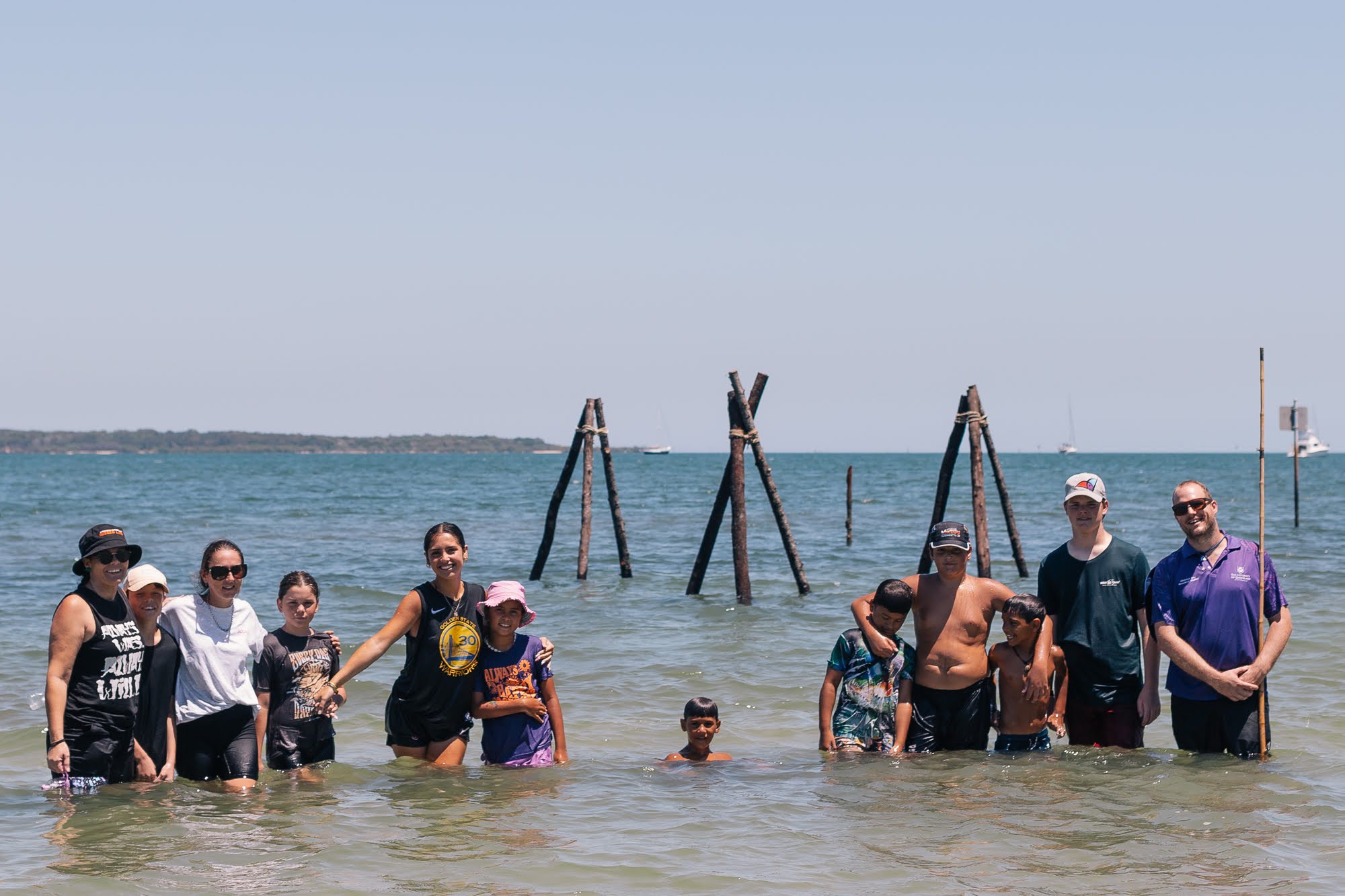
Minjerribah, Quandamooka Country
Day 1
Mon 14 Sep

Minjerribah

Quandamooka Country
Indigenous-led justice reinvestment in practice

MMEIC visit. Welcome to Country with Quandamooka Elders. 31 years of community-led work. Justice Reinvestment program launched 2024. Cultural heritage tour. Yarn circle on Quandamooka and Arrernte parallels in approaching young people.
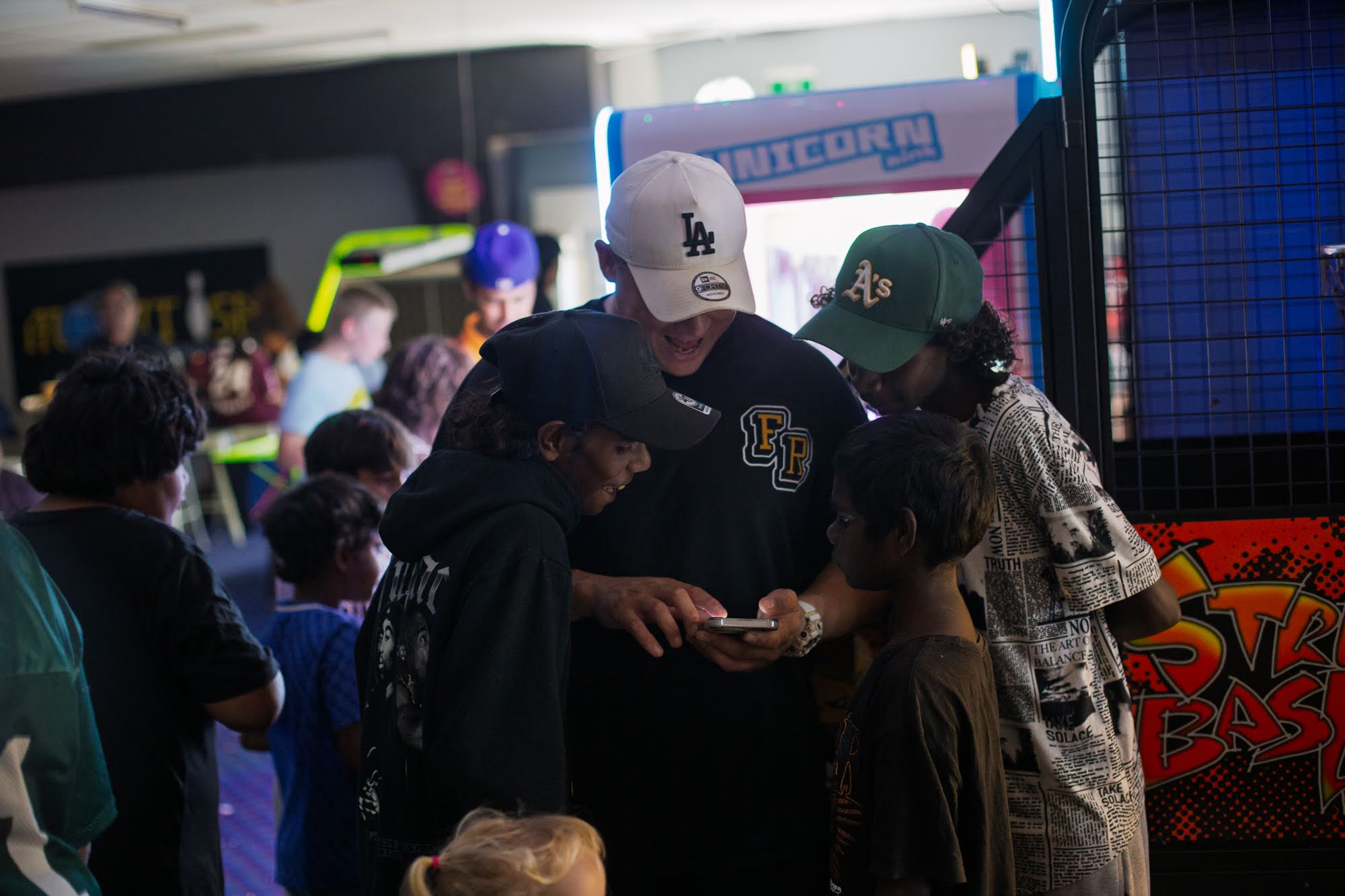
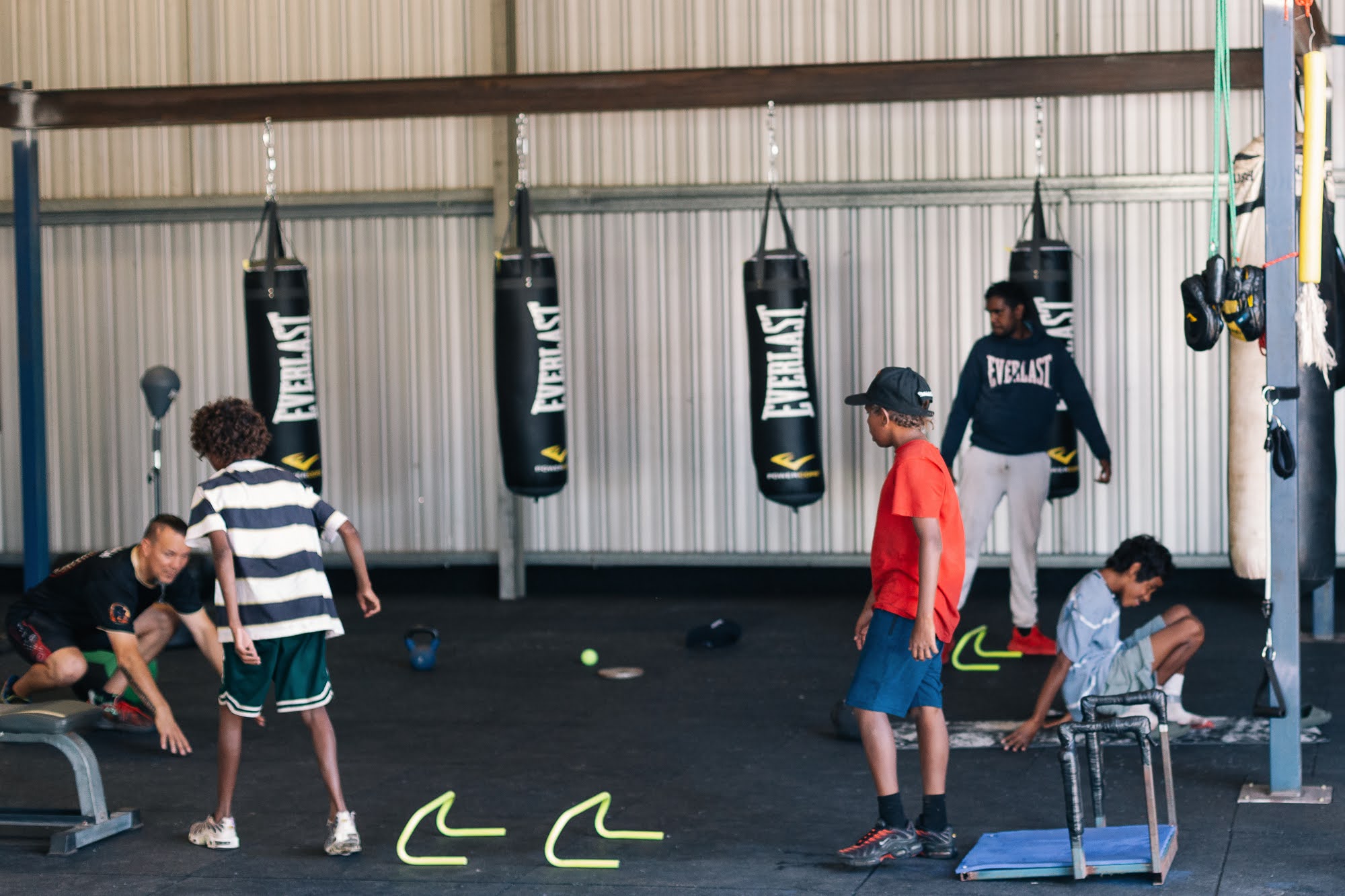
Sport-based youth mentorship in regional Australia
Day 2
Tue 15 Sep

Toowoomba

Jagera, Giabal, Jarowair Country
Sport-based mentorship and regional ecosystem

Adapt Mentorship walkthrough with Adam and Susy Wenitong (Aboriginal and Torres Strait Islander Citizens of the Year 2025). Street Footy. Kickstarter Youth Mentoring (12-month QLD program for First Nations youth 8 to 17). Following the Songlines on-Country experiences. How three orgs in one region complement rather than compete.

Art and culture as a vehicle for the work
Day 3
Wed 16 Sep

Meanjin (Brisbane)

Yuggera and Turrbal Country
How culture drives change

QAGOMA Aboriginal and Torres Strait Islander art collection. Birrunga Gallery and Dining (First Nations owned). Youth Advocacy Centre with Shannon Cant, who has offered to host the Contained tour in Brisbane. Conversation about how cultural brokerage in Mparntwe could inform YAC practice.

The Harvest at Witta on Jinibara Country, where the containerised manufacturing facility runs
Day 4
Thu 17 Sep

Witta

Jinibara Country
Hands-on manufacturing training

Two shipping containers: one shreds plastic, one presses sheets and cuts parts. Flat-pack beds, washing machines, furniture for remote communities. Around 30 beds per week, 400+ delivered across 8 communities. Each bed diverts 20 to 25kg of plastic from landfill. Training: shredding, sorting, press operations, sheet production, the team produces their first batch together.

Atnarpa, Eastern Arrernte Country, the place the team comes home to
Day 5
Fri 18 Sep

Witta

Jinibara Country
Ownership, design, and taking it home

Advanced assembly. Cultural design session: how Oonchiumpa puts Arrernte design language on the products, naming in language. Business planning for the Alice Springs facility (Innovation Fund EOI, $1.2M, 60 to 80 participants over 4 years). Reflection circle on what the week has meant.

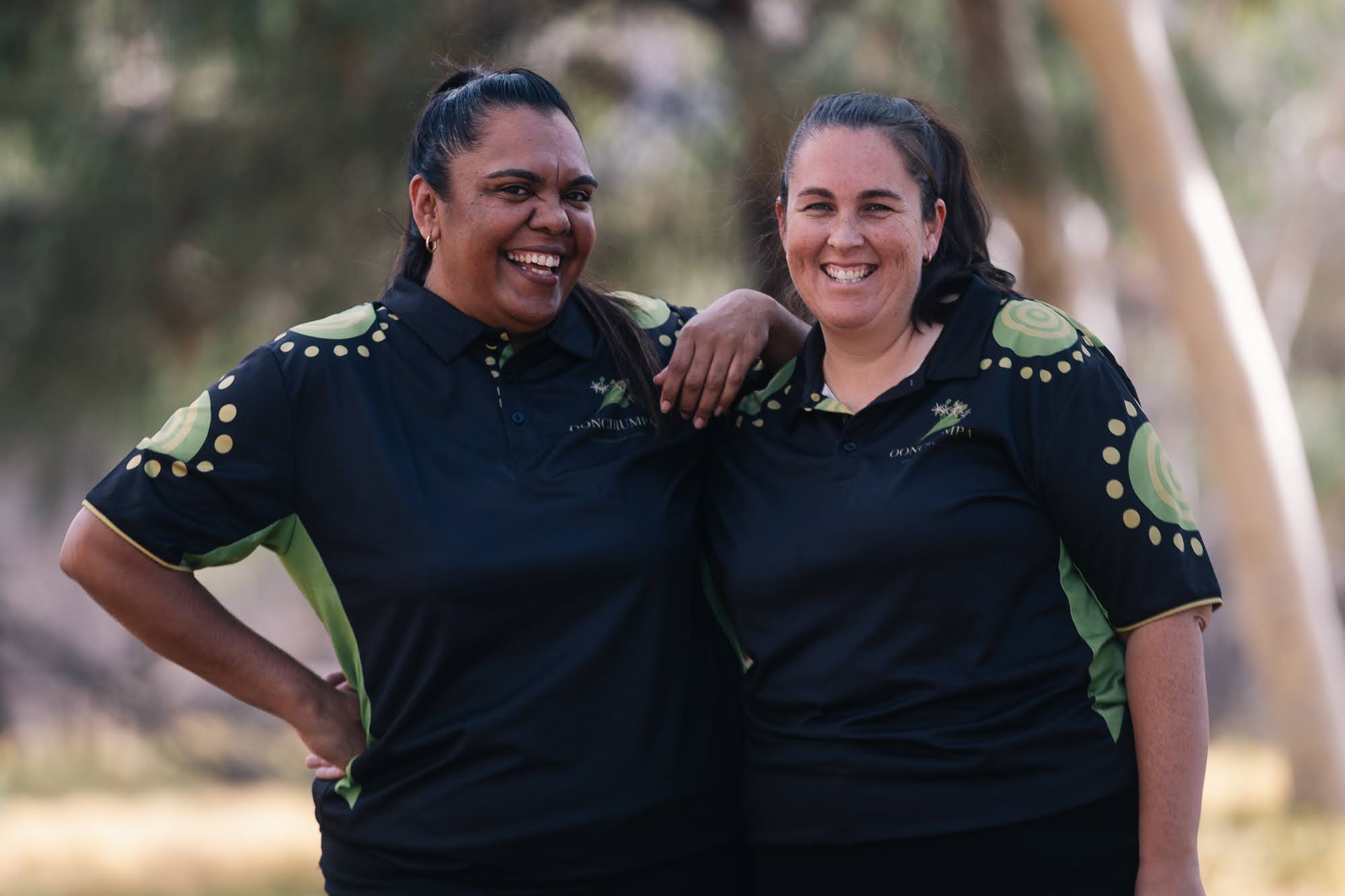
Kristy Bloomfield and Tanya Turner, Oonchiumpa founders
Day 6
Sat 19 Sep

Brisbane and home

Across Country
Ways of working and forward planning

Ways of Working workshop (Ben + Nic). Communication, decision-making, cultural protocols. 2026 partnership roadmap: Innovation Fund decision, Contained tour stops, True Justice expansion, when the SEQ teams return to Mparntwe. Each team member shares one thing they take home and one commitment.

What Oonchiumpa takes home

  • Inspiration from peer models. MMEIC at 31 years is what Oonchiumpa at 31 looks like.
  • Manufacturing readiness. The team can operate the Alice Springs facility from day one when the Innovation Fund lands.
  • Connections: MMEIC, YAC Brisbane, Toowoomba consortium, A Curious Tractor network.
  • Ways of Working agreement and 2026 roadmap, co-created not imposed.

What flows back into the system

  • Empathy Ledger reflections recorded by each team member at each stop.
  • MMEIC and Adapt Mentorship case studies in the Australian Living Map of Alternatives.
  • Oonchiumpa Goods business plan, co-authored during the Witta training days.
  • A trip documentary for funders: Paul Ramsay Foundation, Minderoo, Dusseldorp Forum.

Data sovereignty, named

Four mechanics protect the org at every layer in this system.

Per-record consent

Every story carries the storyteller name and a consent record they can revoke. No aggregate clauses. No buried opt-outs.

Per-org workspace

The org logs in to /hub/[slug]/dashboard and works on their own data on their own terms. The workspace is the control room, not a CMS.

Per-cohort review

The four anchors collectively shape how evidence travels. The decision tag on the workspace (advance, hold, needs review) is a community-review signal, not a funder gate.

External audit

Year 1 of a Minderoo-scale partnership funds an external technical audit of the consent layer. The audit publishes as a public artefact in month 10.

Where the work comes home

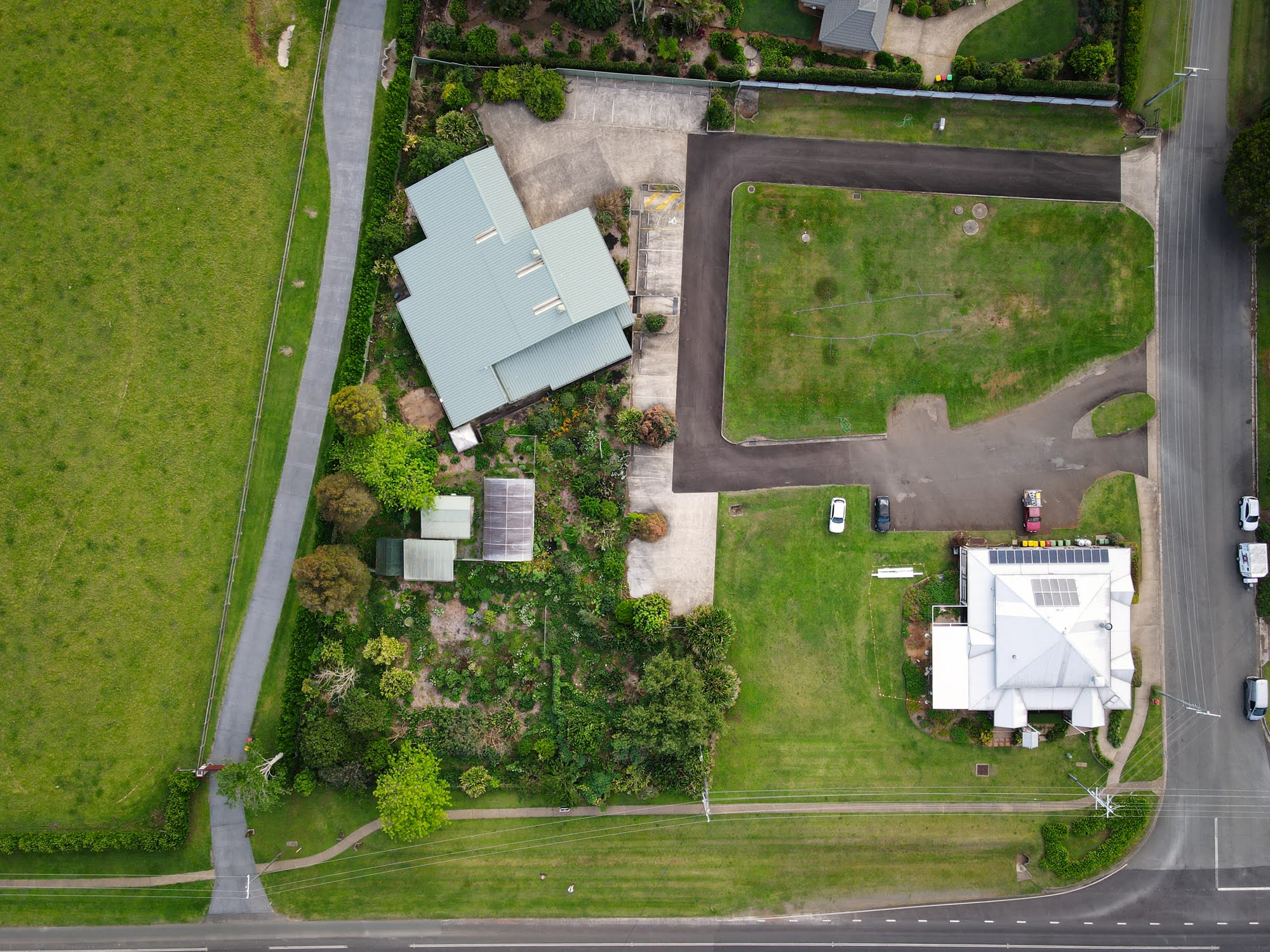
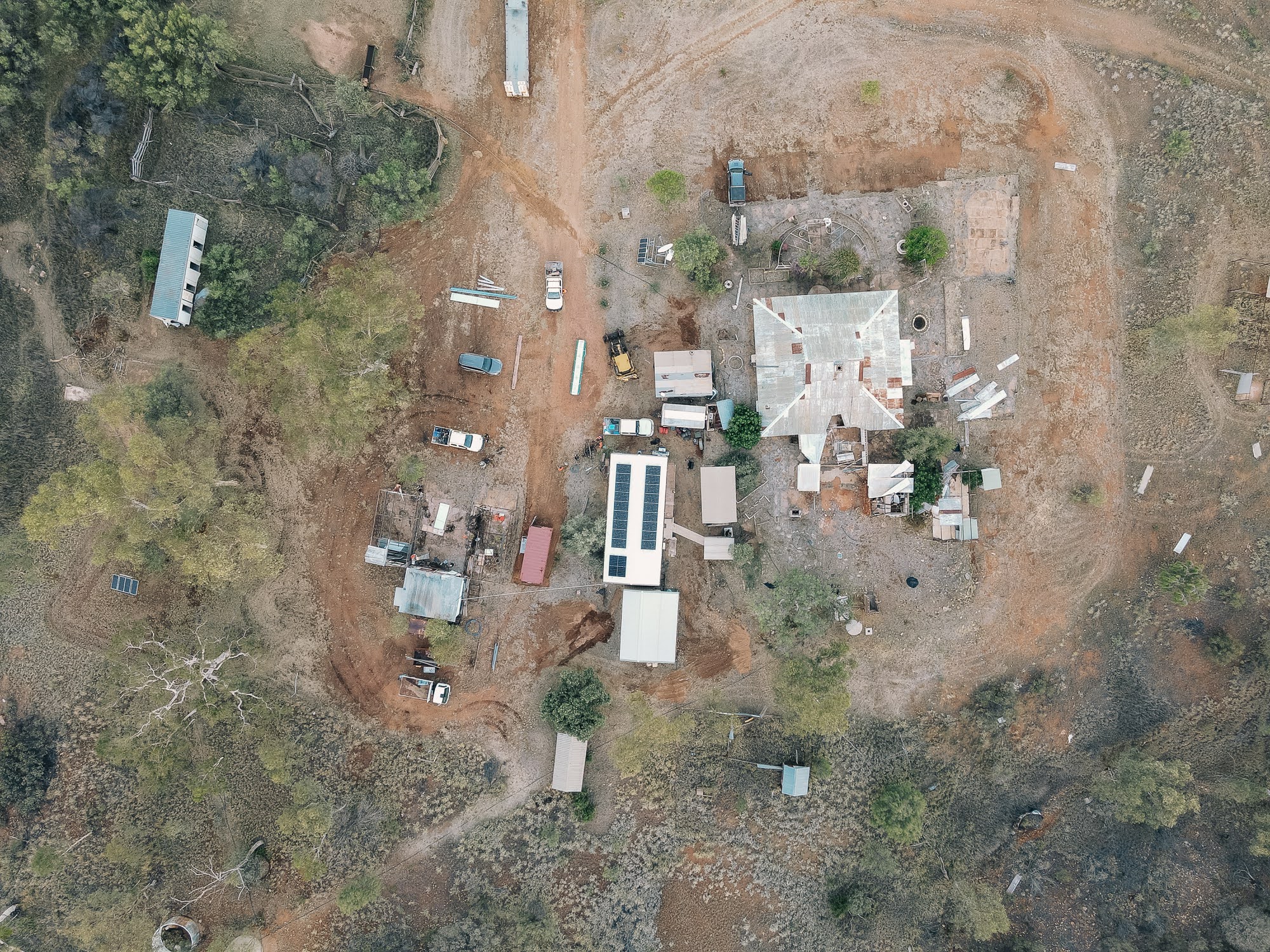
The Harvest at Witta on Jinibara Country is the place all of this returns to. Cohort weeks. Editorial residencies. An annual STAY gathering across the four anchors. Country visits Country.

The Harvest at Witta on Jinibara Country, the physical centre where the cohort gathers
The Harvest
Witta · Jinibara Country · Sunshine Coast hinterland
Witta, QLD
Jinibara Country
The physical centre. Eat. Gather. Make. Grow.
Oonchiumpa
Eastern Arrernte Country, Mparntwe
95% diversion. 21 active young people.
Palm Island Community Company
Bwgcolman / Manbarra Country, Townsville
Stretch Beds enterprise live.
BG Fit
Kalkadoon Country, Mount Isa
85% diversion. 400+ young people each year.
MMEIC
Quandamooka Country, Minjerribah
Elder-led cultural authority.
Discovery and depth

Tight with four. Open to find more.

The four anchor communities go deep for three years. Story, art, exhibition, travel. The work earns the right to travel by being held well at home first.

JusticeHub and CivicScope do the discovery work in parallel. The Australian Living Map of Alternatives indexes every community-led model. CivicGraph reads the funding map against the work map and surfaces the orgs that funders have not yet seen. The four anchors stay tight. The next four are found on evidence, not proximity.

Step 01

Hold the four

Oonchiumpa, PICC, BG Fit, MMEIC. Three years of cohort weeks at Witta, editorial residencies, cross-site trips, and a national exhibition at Year 3. Story stays at the source. The pattern travels at the system level.

Step 02

Find the next ones

CivicGraph reads the funder ledger and the ACNC register against the Living Map. It surfaces the orgs holding children every day who have never received philanthropic dollars. The Bwgcolmans not yet seen. The Doomadgees still off the spreadsheet.

Step 03

Build their page

The next orgs claim a JusticeHub profile on their terms. They own the page. They publish what they choose. They join the cohort when both ends are ready. Scale follows readiness. Readiness follows relationship.

The four anchors are not the cap on the work. They are the depth. The Living Map and CivicGraph are the breadth. Both are needed. Neither flattens the other.

Two Australias

The cost of waiting. The work already happening.

On the left, what every state spends to lock up one child for one year. On the right, the community-controlled organisations that have already chosen another way. Same country. Two stories. The funding still mostly flows to the first map.

Cost of acting too late

What each state pays per child per year in detention

Source: Productivity Commission ROGS 2024-25, Table 17A.20.

NSW
$939K
VIC
$2.67M
QLD
$990K
WA
$1.53M
SA
$1.19M
NT
$1.26M
TAS
$1.87M
ACT
$1.51M

National average: $1.33M per child per year.

That is more than the median Australian house deposit. Spent on one child. Per year. And the public conversation still asks whether community-led work is "value for money".

Work already happening

Community-controlled organisations holding children

The four anchors are named. The numbers count Aboriginal and Torres Strait Islander community-controlled organisations across the JusticeHub register.

NSW
370 orgs
VIC
125 orgs
QLD
659 orgs
PICC · BG Fit · MMEIC
WA
386 orgs
SA
94 orgs
NT
298 orgs
Oonchiumpa
TAS
18 orgs
ACT
27 orgs

1,977 community-controlled organisations across Australia.

Most have never received philanthropic dollars. The four anchors mark the deep work in three states. The Australian Living Map of Alternatives + CivicGraph surface the rest. Any of them can claim a JusticeHub page tomorrow.

When a community connects to JusticeHub, three things happen on this map. The org claims a page on their terms. Their stories travel through Empathy Ledger with consent. CivicGraph reads the funding map against the work map and starts the conversation with funders that fit. The cost-of-waiting numbers stay where they are. The community-led numbers grow.

National and international footing

National

The Australian Living Map of Alternatives indexes every community-led model on the terms of the people doing the work. CivicGraph reads the funding map against the work map. The Centre of Excellence at Witta is the rhythm.

International

The international extension feeds the platform first. Australia learns from youth justice storytelling work in Africa and Europe before any Australian model travels outward. The findings land on JusticeHub. Australia stays in the conversation.

The frame to remember

The community owns both ends of every layer. The story stays at the source. What travels is the pattern.

Empathy Ledger holds the source. JusticeHub publishes the pattern. The Australian Living Map of Alternatives indexes it nationally. CivicGraph reads it against the funding map. The funding workspace turns it into resourced work. The Harvest brings everyone home once a year.

For partners and funders

The partnership detail lives in the pitch

The cost case, partnership shapes, governance, and the action path are held in the partnership pitch and the companion brief. Both are password-protected.

If you are a funder, philanthropic partner, or government stakeholder and would like access, request a password from partners@justicehub.com.au or get in touch through the Centre of Excellence.

Step into the system on your terms

Claim your organisation page. Own your data. Publish on your terms. Travel when you choose.