Centre of Excellence · The Harvest, Witta QLD
Centring the young person.
Fixing the system around them.
Not a youth justice centre. A place built on the obvious truth that young people who come into contact with the system are the same young people who already touch disability, child protection, education, and family services. The centre is what happens when the people doing this work hold each other in one place, on one piece of Country, with one shared method.
Release pathway
The public launch should point back to a real place where the people doing the work can gather.
JusticeHub online
The public search and guided doors help people find the work without needing to understand the whole platform.
CONTAINED Adelaide
The June 23 experience makes youth remand human before visitors move into evidence and action.
ALMA alternatives
The Australian Living Map of Alternatives shows the local models that can hold young people instead.
Country reports
Africa and Europe reports widen the imagination while keeping scoping, sourcing, and consent boundaries visible.
Basecamps
Oonchiumpa, PICC, BG Fit, and MMEIC become the local learning anchors for a physical Centre of Excellence.
The reframe
Not built on fear. Built on support.
The young people whose names appear on a postcard from Atnarpa, on a remand record at Holtze, on a school suspension list at St Joseph's, on a child protection file in Rockhampton, on a disability assessment in Townsville, are almost always the same young people. The system gives them four different file numbers. Community gives them one name.
The Centre of Excellence works at that one name. It treats justice, child protection, education, and disability as four sides of one room rather than four buildings on four streets. It centres the young person and asks the system to fit around them, not the other way.
Justice
Diversion, sentencing alternatives, on-Country accompaniment.
Child protection
Family work, kinship care, keeping children close.
Education
Re-engagement, alternative learning, cultural curriculum.
Disability
Recognition, support, the system getting out of the way.
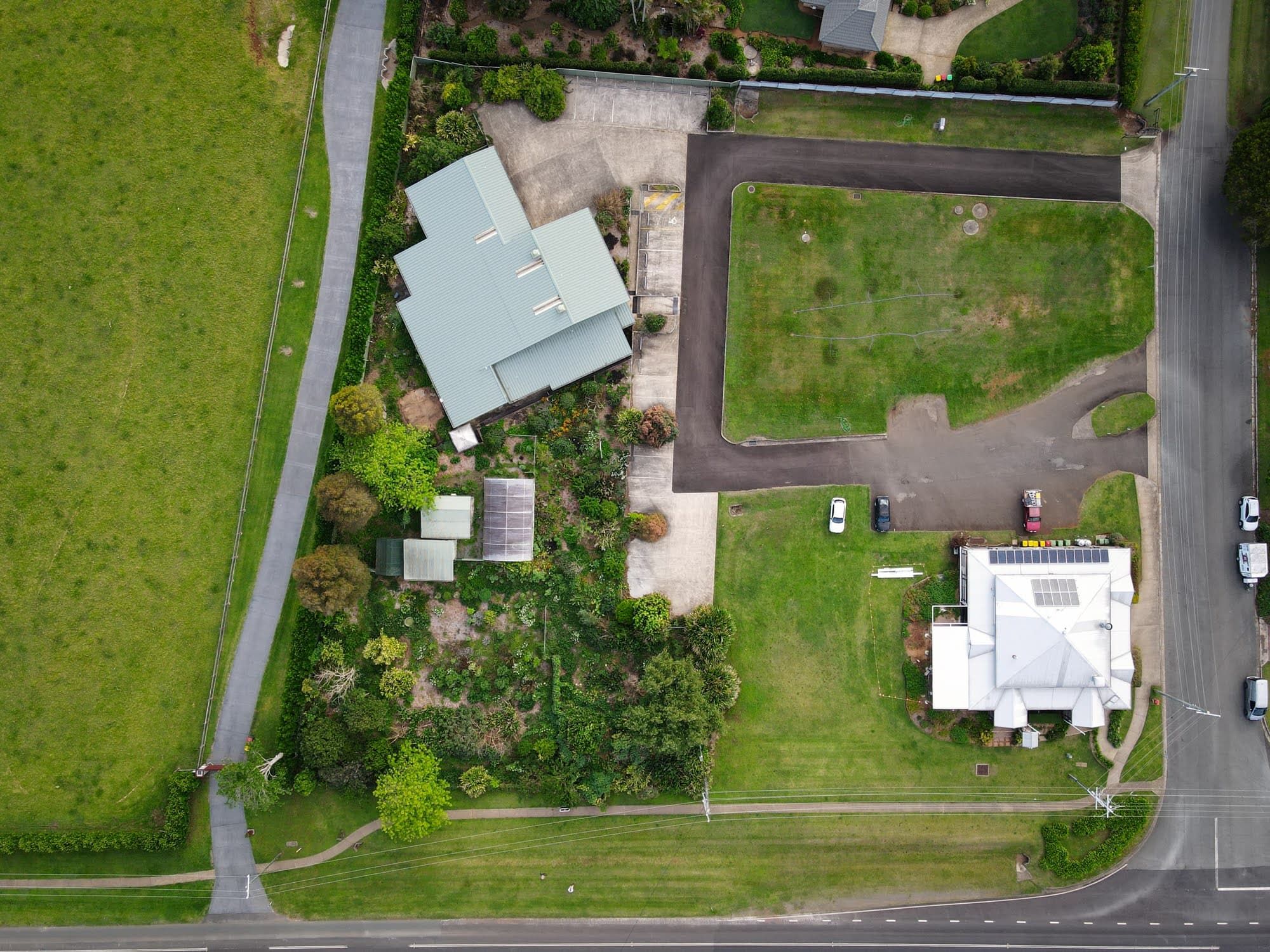
The Harvest · Witta QLD · Jinibara Country
The physical centre
The Harvest, Witta, on Jinibara Country.
The Harvest sits on Jinibara Country in the Sunshine Coast hinterland, postcode 4552, on the former Green Harvest organic seed and gardening site. Two thousand cars pass through Witta every weekend on their way somewhere else. The centre asks them to stop.
This is the physical home of the Centre of Excellence. Seasonal kitchen, garden, workshop, gathering ground. The basecamps come here to work, train, rest, and exchange practice. Young people come here. Elders come here. People who work in the sector come here, alongside the people who hold young people in community, and the line between them gets thinner.
Eat. Gather. Make. Grow. The method the building is built on.
What lives here
- Working kitchen and gathering hall for cohort-scale visits.
- Stretch Bed workshop and shared making space.
- Garden centre and training plot, where land-based learning is the curriculum, not a metaphor.
- Quiet rooms for the writing, recording, and editorial work that turns practice into evidence the rest of the system can read.
- Accommodation for visiting basecamp teams, so a week on Country here is a real week, not a day-trip.
The basecamps
Four anchor communities.
One ring.
Mparntwe, Townsville, Mount Isa, Minjerribah. Four community-controlled organisations holding young people in place, on Country, with cultural authority leading the work. Witta is the centre. The basecamps are the ring.
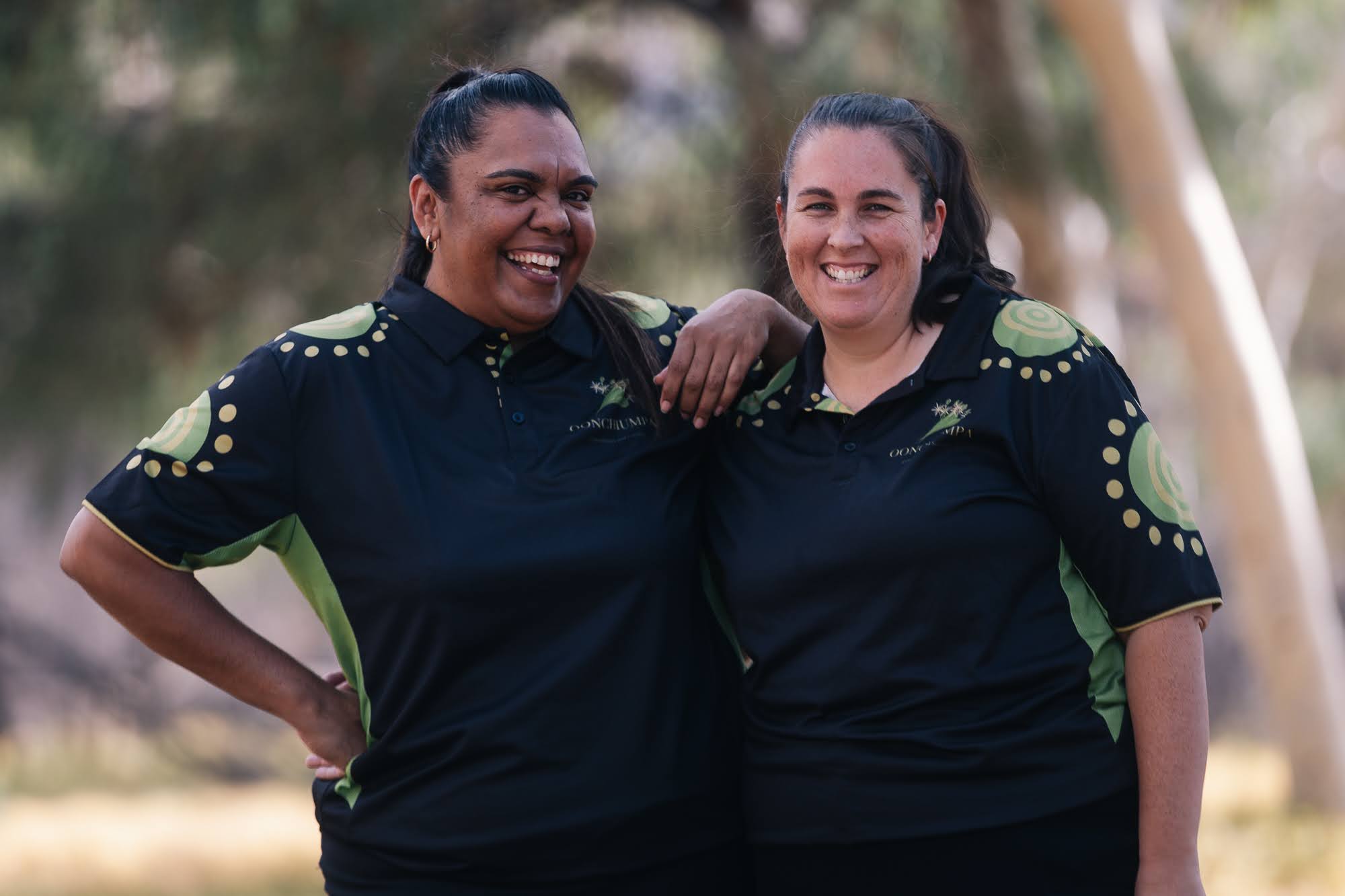
Mparntwe / Alice Springs
Eastern Arrernte Country (NT)
Oonchiumpa
Cultural authority leads, legal knowledge follows. Kristy Bloomfield and Tanya Turner hold young people on Country at Atnarpa, on Loves Creek Station, an hour and a half east of Mparntwe.
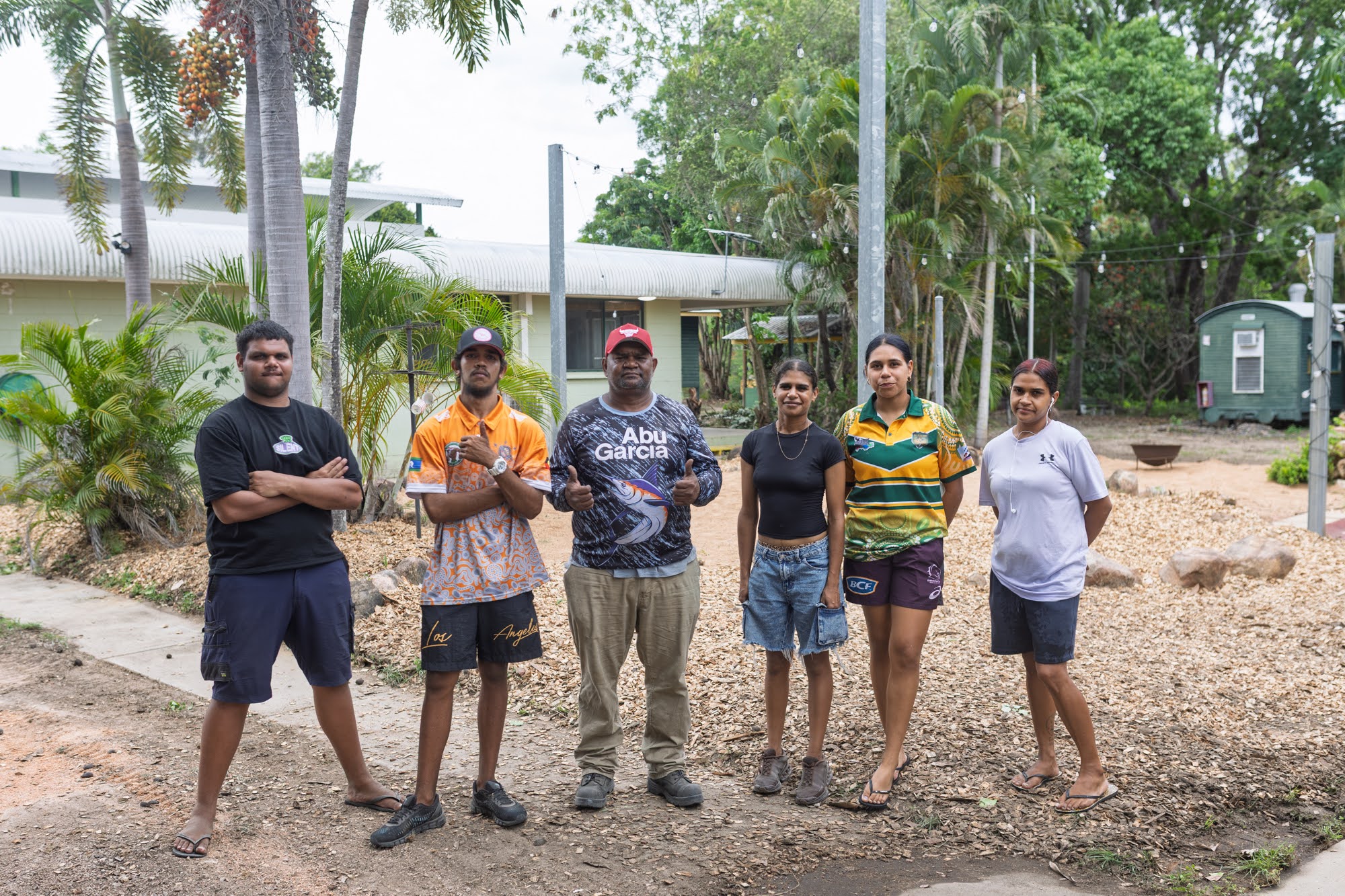
The Centre, Townsville
Bwgcolman / Manbarra Country (QLD)
Palm Island Community Company
Palm Island's community-controlled organisation, working from The Centre in Townsville. Stretch Beds, family work, and the long thread of trust that turns one released young person into the builder who teaches the next.
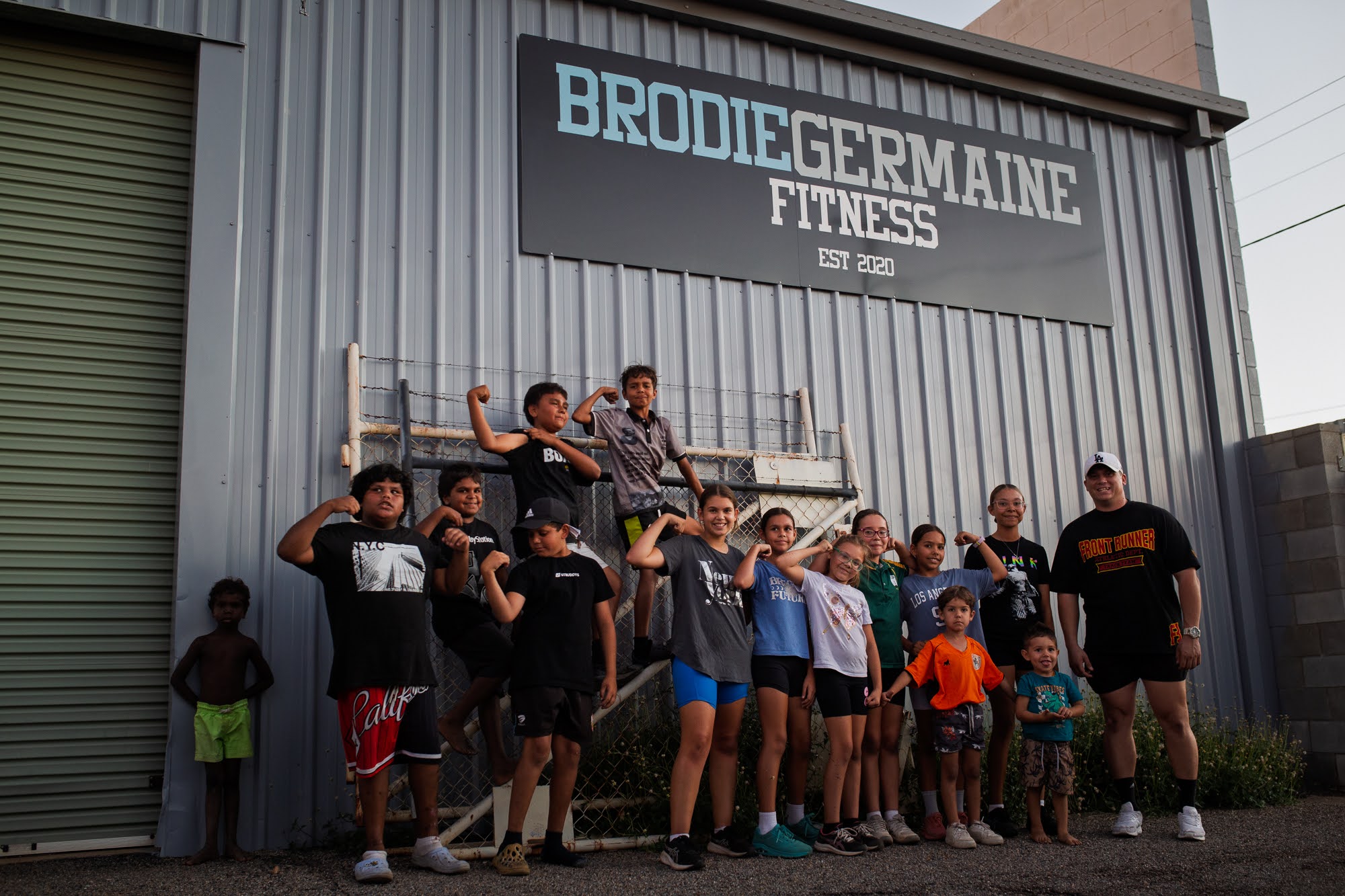
Mount Isa
Kalkadoon Country (QLD)
BG Fit
Sport, discipline, and a daily rhythm that gives young people in Mount Isa a place to be that is not the watch house. Fitness as the entry point. Belonging as the outcome.
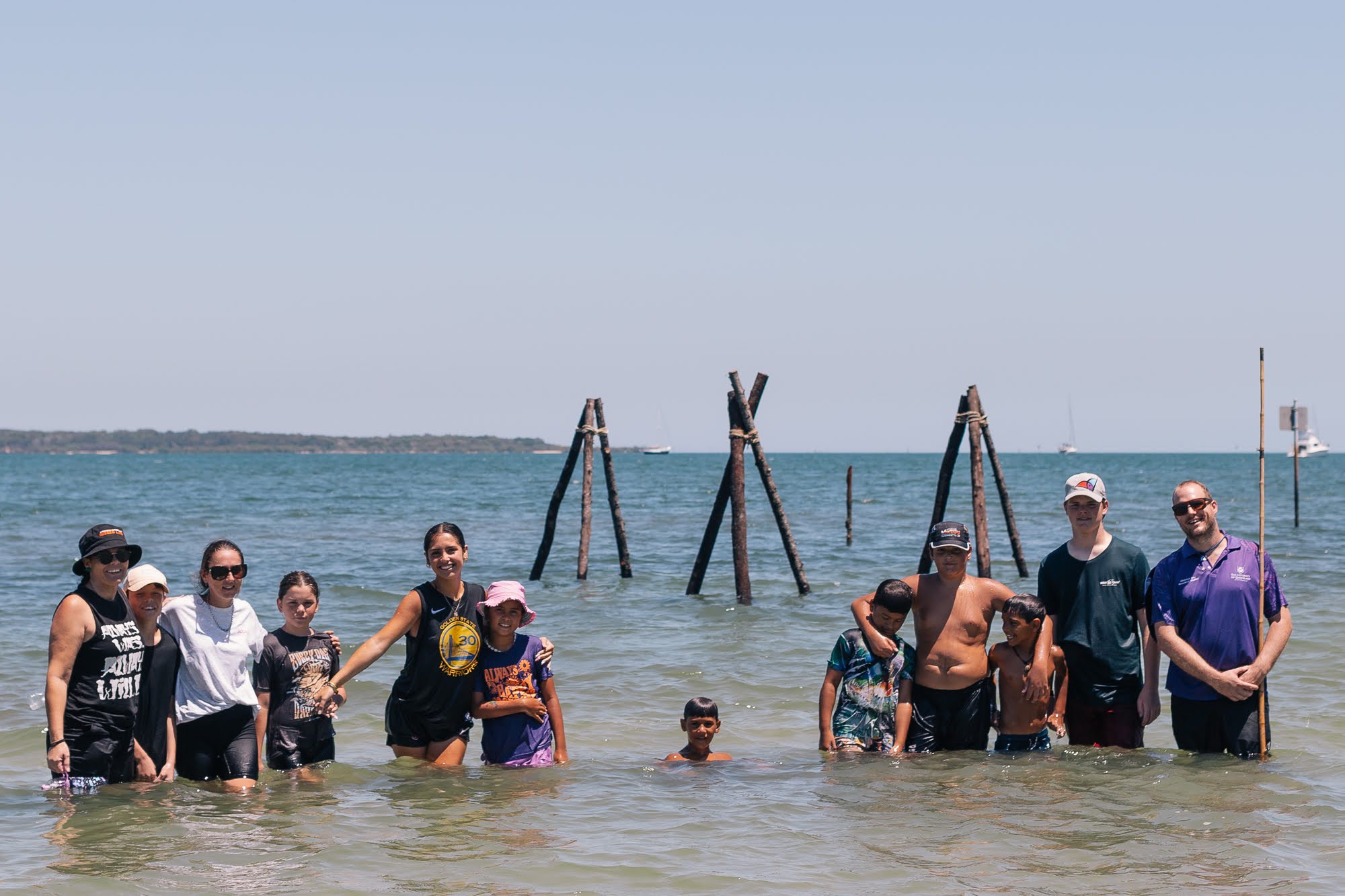
Minjerribah / North Stradbroke Island
Quandamooka Country (QLD)
Minjerribah Moorgumpin Elders-in-Council
Quandamooka Elders holding cultural authority on Minjerribah and Moorgumpin. The first voice in the room when the question is what young people from these islands need.
How the centre works in practice
Country visits Country.
The first worked example. The Oonchiumpa team flies east from Mparntwe to South East Queensland. Kristy Bloomfield, Tanya Turner, Fred Campbell, the youth workers, the young people who choose to come. They land at Witta. They stay at the Harvest. They spend a week on Jinibara Country.
They sit with Quandamooka Elders from MMEIC. They visit BG Fit on the way back. They share the practice that holds 21 active young people across seven language groups within 150 kilometres of Mparntwe, and they hear the practice that holds young people in Mount Isa, on Palm Island, on Minjerribah. The exchange is the evidence.
Cultural authority leads in both directions. Country teaches Country. The centre holds the room for the conversation that the system has never made space for.
What the visit produces
- 01A shared method, refined by the people who carry it, not designed for them.
- 02Photographs, recordings, and stories captured under Empathy Ledger consent for use across the four basecamps and the wider sector.
- 03A training cohort drawn from sector workers across the country, taught by the basecamps, on Country, in practice rather than slides.
- 04A book chapter. A field note. A submission. The evidence the rest of the system can read, written from inside the work.
What the centre does
Innovation, training, Indigenous knowledges, evidence.
Innovation in practice
Organisations bring the work they're already doing and prototype the next version of it together. Not pilot-fatigue. Refinement.
Training the people who hold young people
Sector workers, youth workers, case workers, magistrates, teachers, support staff, trained by community, alongside community, in the practice of holding well.
Indigenous knowledges centred
Cultural authority is not a guest speaker. It's the curriculum, the methodology, and the assessment criteria. Country teaches, Elders correct, the centre listens.
Reporting flows inward, evidence flows outward
The basecamps send what they are doing to the centre. The centre carries that proof into the rooms where decisions get made: courtrooms, cabinet rooms, foundation boards.
Reading the room beyond Australia
What works elsewhere, read carefully.
The centre keeps a long view of community-led practice across sixteen international models, four Australian frameworks, and the research that informs them. Read selectively. Adapt with cultural authority. Never lift wholesale.
Sixteen international models
Spain. Aotearoa. Finland. Scotland. Missouri.
What recidivism looks like when the system invests in community first. Read with context, not as templates.
OpenFour Australian frameworks
QLD. NSW. VIC. WA.
Each state's approach, named honestly, with what the policy intended and what the outcomes actually show.
OpenTwenty-seven peer-reviewed pieces
The research library.
Trauma-informed care, Indigenous diversion, restorative practice, disability intersections. Searchable, annotated, growing.
OpenJoin the work
The four basecamps are already doing the work.
The centre is what makes it visible.
For organisations doing community-led work in justice, child protection, education, or disability. For sector workers ready to be trained by community. For funders ready to back the long thread. For Elders, researchers, practitioners, and people who have been through the system and want to shape what comes next.